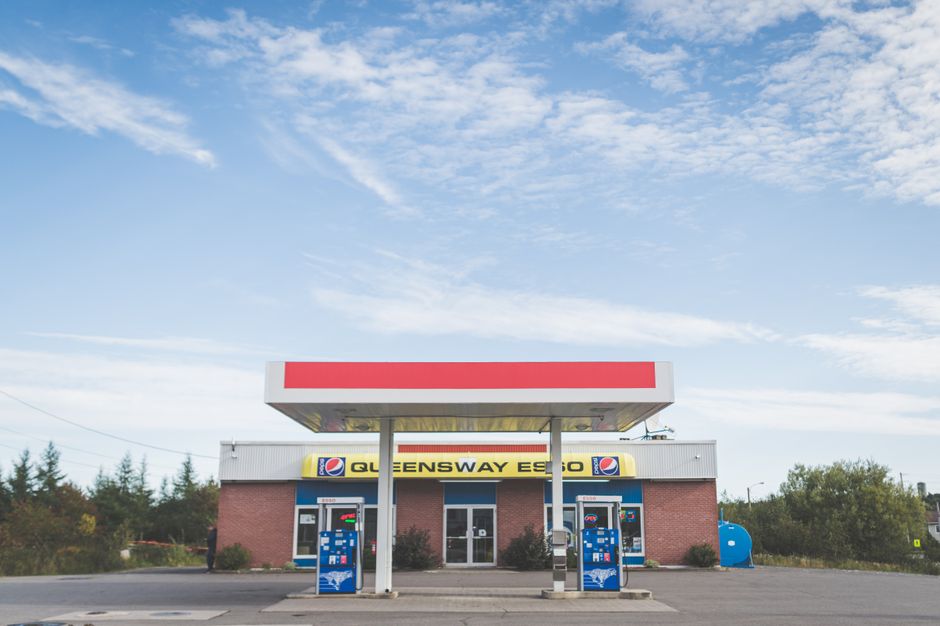
Trump Turns His Eye to the Gas Pump
With Americans increasingly squeezed by the cost of filling up their tanks, U.S. President Donald Trump is floating a plan to pause the federal gas tax, a move he's pitched as relief for everyday drivers. But analysts and economists are already pumping the brakes on expectations, warning that the math may not add up the way the White House hopes.
The U.S. federal fuel tax currently sits at 18.4 cents per gallon. Suspending it sounds like a win for commuters, but economists have long pointed out that fuel tax cuts don't always translate neatly into savings at the pump. Refiners, distributors, and retailers can absorb, or pocket, the difference before it ever reaches the consumer.
Why Canadians Are Paying Attention
For Canadians, especially those living near the border in places like Windsor, Niagara, or Metro Vancouver, what happens at American pumps is never entirely a foreign story. Cross-border gas tourism is real, and even modest price swings south of the border can send drivers across for a fill-up.
But beyond the border-crossing math, there's a bigger picture. Canada's own fuel pricing debates, from the federal carbon price to provincial tax structures, have dominated headlines for years. Trump's move, whether it succeeds or fails, is likely to re-energize those conversations domestically.
Conservative voices in Canada have already seized on American fuel policy as ammunition in the ongoing debate over Ottawa's carbon levy. If the U.S. is cutting fuel taxes to ease inflation, the argument goes, Canada should be doing the same. The federal government, for its part, has maintained that the carbon price is a key pillar of its climate strategy, with rebates designed to make most Canadians financially whole.
The Inflation Context
Gas prices don't exist in a vacuum. They're tangled up with inflation, trade policy, and global oil markets, all of which are already under enormous pressure heading into mid-2026. Trump's broader tariff agenda has added volatility to energy markets, making any single policy lever less predictable in its effects.
In Canada, the Bank of Canada has been navigating a delicate balance between cooling inflation and supporting a slowing economy. Fuel costs feed directly into the consumer price index, affecting everything from groceries to airline tickets. A significant dip in U.S. gas prices could, in theory, provide some downstream relief for Canadian consumers too, but only if global crude prices cooperate.
What Experts Are Saying
Most economists are skeptical that a federal fuel tax pause will deliver meaningful, lasting relief. Historical precedents, including a similar pause proposed during the Biden era that never materialized, suggest that fuel markets are too complex for a single tax lever to move the needle much.
What it might do is buy political goodwill. With midterm-style pressures mounting, the optics of doing something about gas prices carries its own value, regardless of whether the savings show up at the pump.
For Canadian drivers watching their own gas bills climb, the lesson may be a familiar one: energy prices are shaped by forces far larger than any one government's policy playbook.
Source: CBC Business. Original reporting by CBC News.

