Strike Averted as TTC Reaches Tentative Agreement with Maintenance Union
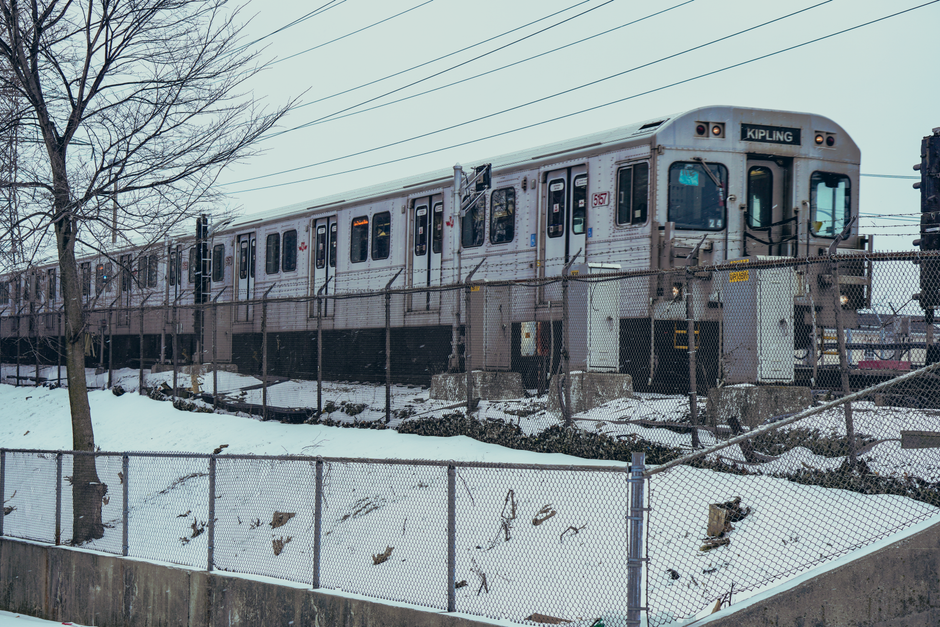
Toronto transit riders can breathe a little easier this week. The Toronto Transit Commission and the union representing its maintenance workers reached a tentative deal Monday afternoon, with both parties confirming the agreement in separate statements.
TTC CEO Rick Leary announced the news, signalling that a potential labour disruption had been avoided, at least for now. The tentative agreement still needs to be ratified by union members before it becomes official, but the announcement marks a significant step toward labour peace at one of Canada's largest urban transit systems.
What Was at Stake
The maintenance workers covered under this agreement are the backbone of TTC operations. They keep the buses rolling, the subway cars running, and the infrastructure that millions of Torontonians depend on every day in working order. A work stoppage involving this group would have rippled far beyond the city's core, affecting commuters, shift workers, and anyone relying on public transit to get around.
Labour negotiations at large transit agencies are always high-stakes affairs. In recent years, cities across Canada, from Vancouver to Ottawa, have grappled with the challenge of keeping transit workers fairly compensated while managing strained municipal budgets and post-pandemic ridership recoveries.
The Broader Picture for Canadian Transit
The TTC deal comes at a moment when public transit is under intense scrutiny across the country. Ridership numbers are still climbing back toward pre-pandemic levels in many Canadian cities, and agencies are under pressure to deliver reliable service while negotiating competitive wages in a tight labour market.
For Toronto specifically, the stakes are enormous. The TTC serves approximately 1.7 million rides on an average weekday, making it the third-busiest transit system in North America. Any disruption to service would have cascading effects on the Greater Toronto Area's economy and daily life.
Public transit unions have gained significant leverage in recent contract cycles, reflecting broader trends in the Canadian labour market. Workers have become increasingly vocal about wages keeping pace with inflation, improved safety conditions, and better scheduling, demands that resonate with transit employees from coast to coast.
What Comes Next
The tentative deal must still be voted on by union members, and details of the agreement have not yet been made public. Both the TTC and the union have indicated they will release more information once the ratification process is complete.
If approved, the deal would provide stability for the TTC heading into what is typically a busy summer season, with tourists, festivals, and events drawing increased demand on the system.
For Torontonians, Monday's announcement is welcome news, nobody wants to be left stranded at a bus stop waiting for a service that isn't coming. And for Canadian transit watchers from Ottawa to Vancouver, it's a reminder that keeping these essential systems running smoothly depends as much on healthy labour relations as it does on infrastructure investment.
Source: CBC Toronto via RSS

