What's Before the Court
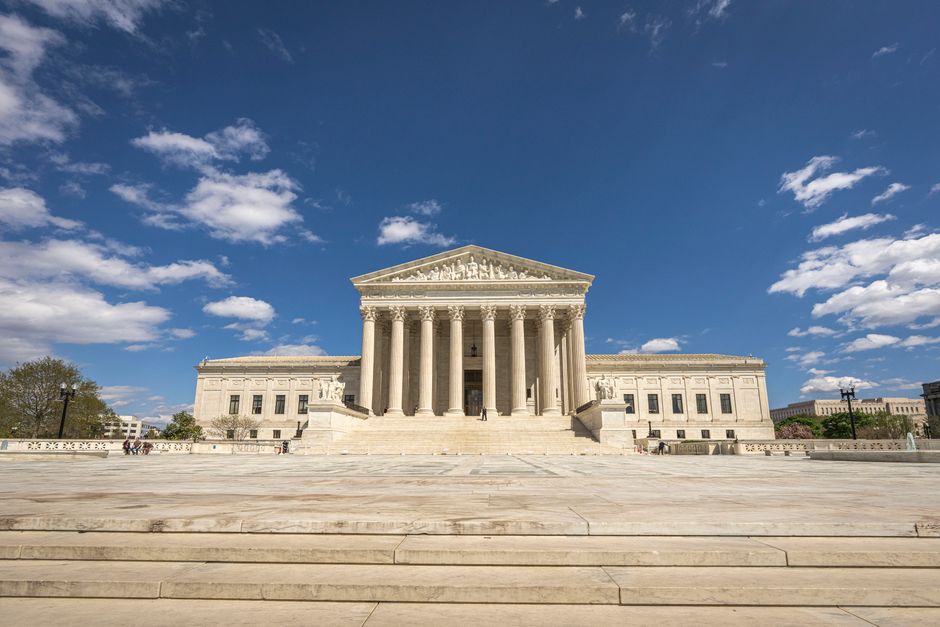
The U.S. Supreme Court heard arguments Wednesday in a high-stakes immigration case that could reshape the legal status of hundreds of thousands of people living in the United States under Temporary Protected Status (TPS), a humanitarian program that shields migrants from countries experiencing conflict, natural disaster, or other dangerous conditions.
At the centre of the case: the Trump administration's move to revoke TPS designations for immigrants from Haiti and Syria. If the court sides with the administration, an estimated 500,000 or more Haitian and Syrian nationals currently sheltering in the U.S. could face deportation proceedings, with potentially broader implications for TPS holders from other countries as well.
Why Canada Is Watching Closely
For Canadians, this isn't just an American story. The last time U.S. immigration policy tightened dramatically under Trump's first term, Canada saw a sharp spike in irregular border crossings, most famously at Roxham Road in Quebec, where tens of thousands of asylum seekers crossed into Canada to claim refugee status.
Canada's federal government has since closed the informal Roxham Road crossing under a renegotiated Safe Third Country Agreement with the United States, which now applies to the entire land border. Under that deal, most asylum seekers who cross from the U.S. into Canada at unofficial points of entry can be turned back.
But immigration lawyers and advocates warn the agreement has limits, and a mass TPS revocation could test those limits severely.
A Diaspora With Deep Canadian Roots
Canada is home to one of the largest Haitian diaspora communities outside the United States, concentrated primarily in Montreal. Quebec has long-standing cultural and linguistic ties to Haiti, and tens of thousands of Haitian-Canadians maintain close family connections to relatives currently living in the U.S. under TPS.
Immigration advocates in Canada say they're monitoring the Supreme Court case with deep concern, noting that a hostile U.S. ruling could upend the lives of people with family ties on both sides of the border.
The Syrian community, meanwhile, has a significant presence across Canadian cities, many of whom arrived during Canada's 2015–2016 refugee resettlement initiative under then-Prime Minister Justin Trudeau.
The Broader Legal Question
Legal analysts say the Supreme Court's ruling, expected later this year, could go beyond Haiti and Syria. The court may issue a broader decision about the limits of executive power over TPS, which could affect protections for nationals of Venezuela, El Salvador, Ukraine, and other countries currently covered by the program.
That outcome would dramatically expand the pool of people potentially facing removal from the United States, adding further complexity to Canada's immigration and refugee system.
What Comes Next
The Canadian government has not issued an official statement on the Supreme Court arguments, but immigration officials are expected to be closely tracking the outcome. Canada's Immigration, Refugees and Citizenship department has previously signalled that it monitors U.S. policy shifts for potential border impacts.
For now, tens of thousands of Haitians and Syrians in the U.S. are in limbo, waiting for a ruling that could fundamentally change their futures, and potentially reshape migration patterns across North America.
Source: CBC News Top Stories

