Canada at the Biennale
In the middle of one of the art world's most prestigious stages, Canada is asking a question that feels both ancient and urgent: who gets to live with nature, who gets to protect it, and who is shut out entirely?
The Canadian pavilion at the Venice Biennale is drawing attention this year not with spectacle, but with something quieter and harder to shake. Set against a broader Biennale season overshadowed by geopolitical tension, ongoing wars, heated global debates over migration, and deepening climate anxiety. Canada's contribution cuts through the noise with restraint and depth.
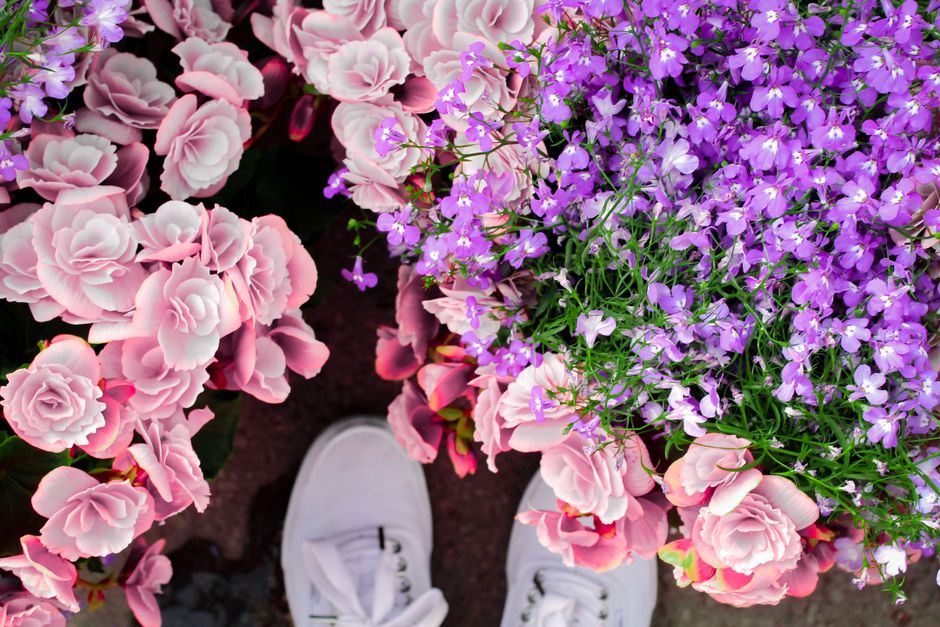
A Bloom With a Sting
The pavilion's imagery and themes centre on the natural world, but don't expect a feel-good environmental message. Instead, the work is laced with unease. The central question running through the installation challenges romanticized ideas of wilderness and conservation by asking whose relationship with the land is celebrated, and whose is criminalized or erased.
It's a theme that resonates sharply in a Canadian context, where Indigenous land rights, resource extraction debates, and national park access have all been flashpoints in recent years. The work doesn't spell out answers. It lets the contradictions sit with you.
Why It Matters Now
The timing couldn't feel more loaded. With climate change reshaping conversations about environmental stewardship worldwide, and with migration crises forcing difficult questions about borders and belonging, the Canadian pavilion's meditation on nature and exclusion feels anything but niche.
Who gets to hike a mountain? Who gets to fish a river? Who gets to call a stretch of coastline home? These are questions Canada, a country that brands itself on vast, untouched wilderness, is increasingly being forced to reckon with honestly.
The Biennale, which draws artists, curators, and critics from across the globe to Venice every two years, is one of the few venues where national identity is literally built into the architecture. Each country gets its own pavilion. Canada's choice to use that platform for a work rooted in land politics and ecological unease signals a maturity in how the country is willing to see itself on the world stage.
Canadian Art Finding Its Edge
In recent years, Canadian contributions to international art events have increasingly leaned into complexity rather than safe national mythology. This year's pavilion continues that trend, less maple leaf, more mirror.
For Canadians tuning in from home, the work is a reminder that the most compelling art doesn't always comfort. Sometimes it blooms, quietly, with thorns.
The Venice Biennale runs through November 2026.
Source: CBC News Top Stories

