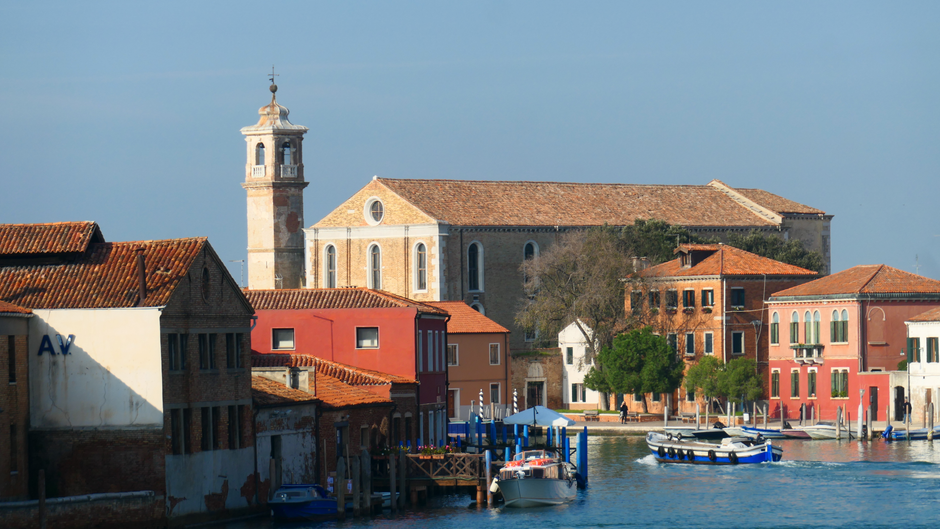
The Venice Biennale, held every two years in Italy, is one of the most important gatherings in the global art world, and in 2026, politics are threatening to overshadow the work itself.
A Perfect Storm of Controversy
In the lead-up to this year's opening, the Biennale has been consumed by controversy on multiple fronts. Protests, resignations, and threatened legal action tied to both Russia and Israel have dominated the headlines, turning what is typically a celebration of international creative exchange into a flashpoint for geopolitical tensions.
The situation reflects a growing and uncomfortable reality: cultural institutions are no longer seen as neutral spaces. Artists, curators, and governments are increasingly being called to take sides, and facing real consequences for failing to do so.
Africa Takes Centre Stage
Cutting through the noise, one of the most anticipated exhibitions this year is placing artists from Africa and the African diaspora at the heart of the conversation.
This is a meaningful cultural shift. The African continent and its global diaspora represent a vast, rich, and historically underrepresented body of artistic practice. By centring these voices, the exhibition offers a striking counterpoint to the Eurocentric framing that has long dominated events like the Biennale, and signals that the art world's power dynamics may finally be starting to change.
Why It Resonates in Canada
Canada has long participated in the Venice Biennale through its own national pavilion, making the event directly relevant to Canadian artists and cultural institutions. The controversies surrounding Russia and Israel mirror debates Canadians have been navigating at home, about who gets to represent their country on the world stage, and whether art can or should be separated from politics.
Canadian museums, galleries, and funding bodies have faced similar pressures in recent years, grappling with questions about representation, accountability, and the ethics of cultural diplomacy. The tensions playing out in Venice feel familiar to anyone who has followed Canada's own arts funding debates or the ongoing conversations around Indigenous representation in national collections.
Art Has Never Been Apolitical
The drama unfolding at the 2026 Biennale is a vivid reminder that art has never truly existed outside of power. From propaganda to protest, from colonial collection to repatriation, creative expression has always been entangled with history and identity.
What makes this year unusual is the sheer visibility of the conflict, the resignations and legal threats signal that the stakes feel higher than at any recent edition. And yet, amid the turmoil, artists from Africa and its diaspora are using the global platform to tell stories of lasting significance.
For Canadians who follow international arts, the 2026 Venice Biennale is shaping up to be one of the most politically charged, and potentially revelatory, editions in recent memory.
Source: CBC Top Stories

