A Hidden Chapter of Victoria's History
Victoria, British Columbia is known for its Victorian-era charm, but even longtime locals may not have known what was hiding just beneath their feet. Restoration crews working on Wharf Street recently stumbled upon something extraordinary, a sealed stone compartment containing artifacts from the city's earliest colonial period.
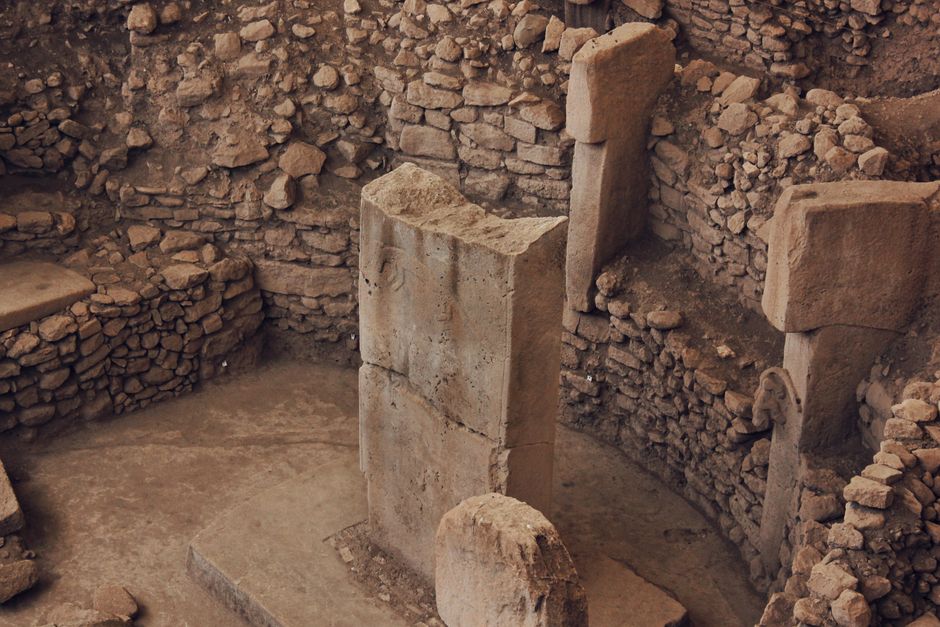
The discovery centres on an old stone wall buried beneath the street, believed to be one of the oldest surviving pieces of Victoria's colonial infrastructure. When crews cracked it open, they found objects that had sat undisturbed for generations, frozen in time like a time capsule no one knew existed.
What Was Found
Details about the specific artifacts are still emerging, but the stone wall itself is understood to date back to the Hudson's Bay Company era, the period when Victoria was first established as a fur trade fort in the mid-1800s. The HBC's Fort Victoria was founded in 1843, making any remnants from that era well over 170 years old.
Wharf Street, which runs along Victoria's Inner Harbour, has long been associated with the city's commercial and maritime history. That a sealed compartment survived beneath it, intact enough to preserve artifacts, is a remarkable stroke of preservation luck.
Why It Matters
For historians and archaeologists, urban discoveries like this are increasingly rare. As cities grow and infrastructure gets rebuilt over and over, physical connections to pre-Confederation Canada become harder to find. The stone wall beneath Wharf Street represents a tangible link to a time before British Columbia was even a province, let alone part of Canada.
The Hudson's Bay Company played an outsized role in shaping the country we know today. From fur trade routes that crossed the continent to the establishment of early settlements across Western Canada, the HBC's footprint is woven into Canadian identity. Finding physical remnants of that era beneath a working city street is the kind of discovery that rewrites, or at least deepens, local history.
What Happens Next
Restoration crews are expected to work alongside heritage officials to document and preserve the finds. British Columbia has a robust framework for protecting archaeological discoveries made during construction or infrastructure work, and the province's archaeology branch will likely be involved in cataloguing what was found.
For residents and visitors to Victoria, this discovery is a reminder that the city's storied past isn't just in its beautifully preserved architecture above ground. It may also be literally underfoot.
Whether the artifacts end up on display at the Royal BC Museum or are preserved in place as part of the ongoing restoration, they represent a rare and exciting window into Canada's colonial history on the Pacific coast.
Source: CBC News, British Columbia

