A Second Community Hit in Days
Whitewater Lake First Nation, a remote community in Ontario's northwest near Thunder Bay, has been struck by wildfire, marking the second First Nation community in the province to suffer this fate in less than a week, according to CBC News.
The back-to-back incidents underscore just how fast and unpredictable wildfire conditions have become across northern Ontario this season. Remote First Nation communities, many accessible only by air or seasonal roads, are especially vulnerable when fires move quickly, evacuation logistics are more complicated, and firefighting resources often have to be flown in rather than driven to the scene.
Why Remote Communities Face Bigger Risks
Communities like Whitewater Lake First Nation don't have the luxury of quick highway evacuations or easy access to large firefighting crews. When a wildfire threatens a remote reserve, residents may need to be airlifted out, and equipment or additional personnel can take longer to arrive. That lag can turn a fast-moving fire into a much more serious threat to homes, infrastructure, and safety.
The fact that two communities have now been hit within days of each other points to a broader pattern this wildfire season, dry conditions and shifting winds can turn a single spark into a rapidly expanding blaze, and northern Ontario's First Nations are often on the front lines of that risk.
What It Means for Ontario
Wildfires in northern Ontario don't just threaten the communities directly in their path. They also strain provincial and federal emergency response systems, which are increasingly being called on to support multiple simultaneous evacuations and recovery efforts. For a province already managing a demanding fire season, having two First Nation communities affected in such a short window adds pressure on resources that are stretched thin.
These events also reignite longstanding conversations about infrastructure and emergency preparedness in remote Indigenous communities, issues that Indigenous leaders and advocates have raised for years, particularly as climate-driven wildfire seasons grow more intense and less predictable across the province.
A Developing Story
Details on the extent of the damage, evacuation status, and recovery efforts for Whitewater Lake First Nation continue to emerge. As with many wildfire events in remote parts of the province, information often comes in gradually as access and communications are restored.
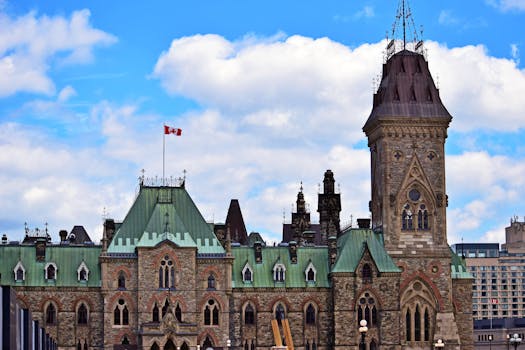
Ottawa residents may not feel the direct impact of a fire hundreds of kilometres to the northwest, but as the seat of federal government, the capital is often where decisions on emergency funding, military or Canadian Ranger support, and long-term policy responses for affected First Nations communities get made.
Source: CBC News