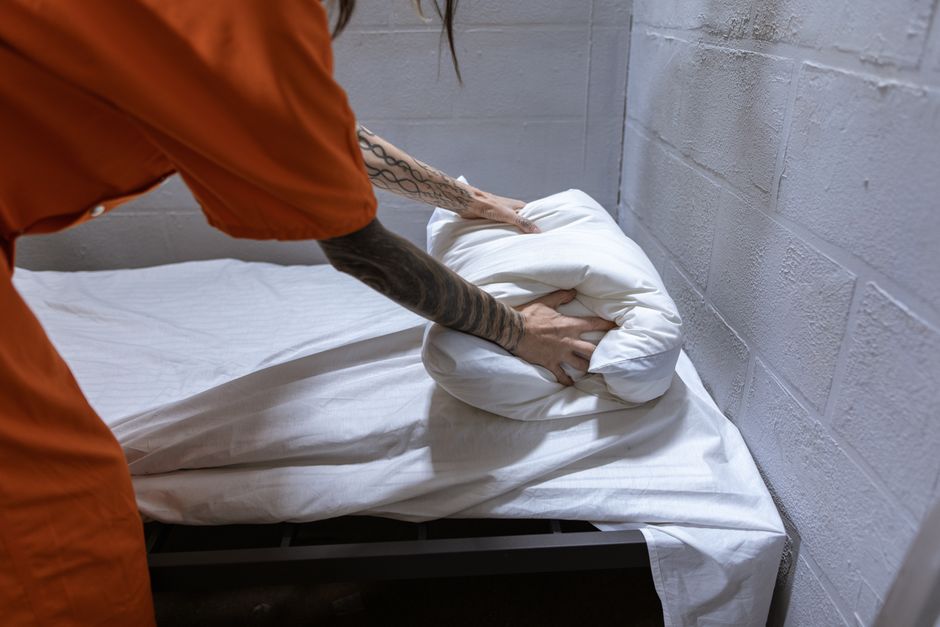
A System Built for Men
Canada incarcerates thousands of women every year, but the country's prison infrastructure was largely designed with men in mind. Experts are now raising alarms about what that mismatch means for women trying to rebuild their lives after serving time.
According to a recent CBC investigation, the shortage of dedicated women's correctional facilities across the country is making it significantly harder for female inmates to access rehabilitation programming, maintain family connections, and reintegrate into society upon release. The result, advocates say, is a cycle that's difficult to break.
Far From Home, Far From Help
One of the most immediate consequences of having too few women's facilities is geography. When there aren't enough regional options, women can end up incarcerated far from their home communities, meaning less access to family visits, reduced support networks, and a more isolating experience overall.
For mothers, this distance can be devastating. Separation from children during incarceration is consistently linked to poorer mental health outcomes for both the parent and child, and makes the transition back into family life more difficult once a sentence is served.
Programming Gaps and Unmet Needs
Beyond location, experts point to systemic gaps in the programming available to women in federal and provincial custody. Many facilities that do house women were retrofitted from male institutions, meaning the programming, counselling services, and trauma-informed care that women specifically need are often underfunded or simply absent.
Research consistently shows that women who enter the criminal justice system frequently have histories of trauma, domestic violence, and substance use, issues that require targeted, gender-responsive approaches to address effectively. Without proper programming, experts warn, incarceration becomes warehousing rather than rehabilitation.
"We're setting women up to fail," one corrections expert told CBC. "If we don't address the root causes of why women end up incarcerated, we shouldn't be surprised when they come back."
What Would Help?
Advocates and criminologists are calling for a range of solutions, from building more women-specific regional facilities to expanding community-based alternatives to incarceration that keep women closer to their support systems.
Some provinces have experimented with healing lodges and community residential facilities that offer a less punitive, more rehabilitative environment. Indigenous women, who are significantly overrepresented in Canada's prison population, stand to benefit particularly from culturally grounded alternatives to traditional incarceration.
There's also a growing push for federal investment in the kinds of wrap-around services, housing, mental health support, childcare, employment training. That address the conditions that lead to incarceration in the first place.
The Bigger Picture
The issue isn't just a justice system problem: it's a public safety one too. Women who complete their sentences without access to proper rehabilitation programming are more likely to reoffend and return to custody, creating costs for both individuals and the broader community.
As Canada continues to grapple with criminal justice reform, advocates argue that building a system that actually works for women isn't just the compassionate choice. It's the smart one.
Source: CBC News. Read the original investigation at CBC.ca.

