A global art icon passes away
Yayoi Kusama, the Japanese artist whose polka dots, pumpkins and mirrored "Infinity Rooms" became some of the most recognizable and Instagrammed artworks of the modern era, has died at 97, her studio announced Thursday.
Kusama spent more than seven decades creating paintings, sculptures and large-scale installations defined by repetition, obsessive patterning and her signature dots — a motif she said stemmed from hallucinations she experienced since childhood. She became one of the best-selling living artists in the world, with her immersive "Infinity Mirror Rooms" turning gallery visits into viral social media moments for a new generation of art fans.
Canadian crowds couldn't get enough
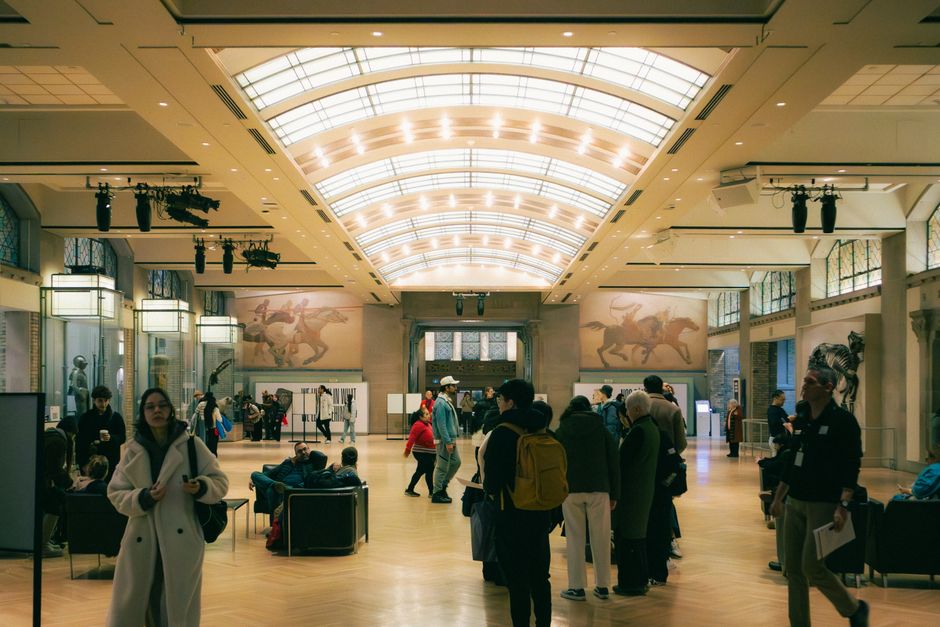
Canada was very much part of the Kusama phenomenon. Her touring exhibition of Infinity Mirror Rooms stopped at the Art Gallery of Ontario in Toronto in 2018, drawing massive crowds and hours-long lineups as visitors waited for their brief, dazzling turn inside her mirrored, light-filled boxes. The Vancouver Art Gallery later hosted its own blockbuster Kusama exhibition in 2023, once again packing the gallery with fans eager to step into her dotted, infinite worlds.
Those Canadian shows mirrored a pattern seen around the globe: museums extending hours, adding timed tickets and still struggling to meet demand for a few minutes inside one of Kusama's rooms. For many Canadians, an AGO or VAG visit to see her work was their introduction to contemporary art as spectacle — proof that a gallery show could feel as urgent and shareable as a concert.
A life shaped by struggle and singular vision
Born in 1929 in Matsumoto, Japan, Kusama moved to New York in the late 1950s, where she became a fixture of the city's avant-garde scene alongside artists like Andy Warhol and Claes Oldenburg, even as she often went uncredited for ideas others later popularized. She returned to Japan in the early 1970s and, for decades, has lived voluntarily at a psychiatric facility in Tokyo, working each day at a studio nearby.
Despite — or because of — her personal struggles with mental health, which she has said inform every dot she paints, Kusama built an artistic empire spanning painting, sculpture, fashion collaborations (including with Louis Vuitton) and permanent public installations, including her giant pumpkin sculptures that have become pilgrimage sites for art lovers worldwide.
Her legacy in Canadian collections
Works by Kusama remain part of major Canadian public collections, ensuring her presence in the country's galleries continues even after her death. Curators and art lovers across Canada have long pointed to her ability to make cutting-edge conceptual art feel joyful and accessible — a rare combination that helped her installations become some of the most-visited exhibitions in the history of Canadian museums.
Source: CBC News