One of AI's Biggest Rounds Yet
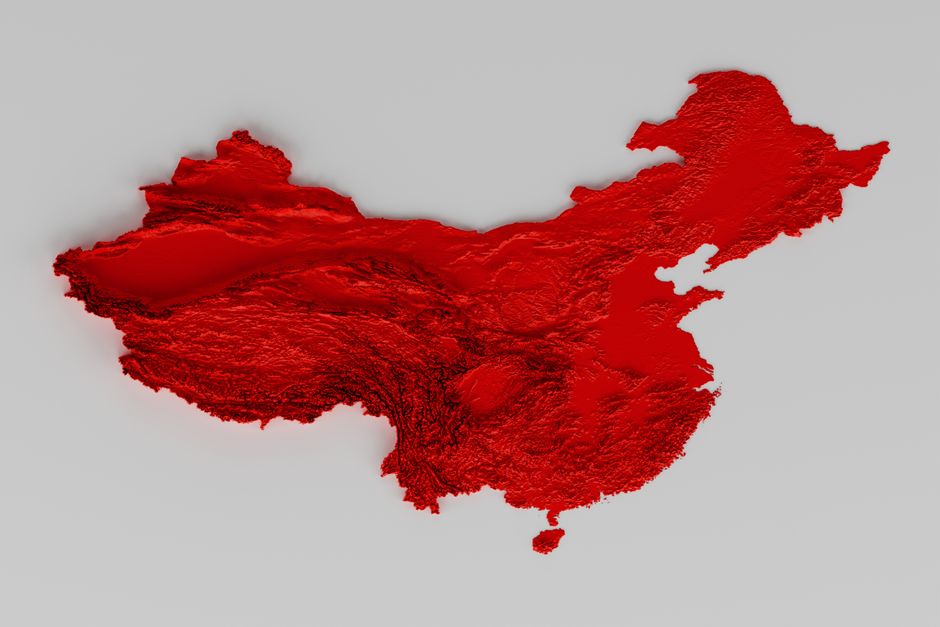
China's Moonshot AI has just made headlines globally, closing a staggering $2 billion funding round that values the company at $20 billion. The raise positions Moonshot among the world's most heavily backed artificial intelligence companies, a sign of just how ferociously capital is flowing into the AI sector right now.
The Beijing-based startup hit an impressive milestone just last month: annualized recurring revenue topped $200 million in April, driven by rapid growth in both paid subscriptions and API usage. That kind of revenue traction, at this pace, is what's convincing investors to write cheques with a lot of zeros.
Why Open-Source AI Is Having a Moment
Moonshot's rise is part of a broader wave. Open-source AI models have gone from niche developer tools to mainstream enterprise products almost overnight. Businesses that once relied on closed, proprietary systems are increasingly turning to open-source alternatives that offer more flexibility, lower costs, and, crucially, more control over their data.
Moonshot's flagship product, Kimi, is an AI assistant that has built a loyal following in China and is expanding internationally. The platform competes in a crowded space alongside OpenAI, Anthropic, Google Gemini, and China's own DeepSeek, another open-source player that rattled global markets earlier this year when it released a capable model at a fraction of the typical training cost.
China's AI Ambitions Are Serious
For Western observers, Moonshot's fundraise is another reminder that China's AI industry is not slowing down. Despite U.S. export controls on advanced chips, designed to limit China's access to the hardware needed to train cutting-edge models. Chinese AI companies have continued to innovate, finding workarounds and investing heavily in domestic semiconductor development.
Moonshot's $20 billion valuation is particularly striking given that it has achieved this without access to the latest Nvidia GPUs. The company's ability to build competitive, revenue-generating AI products under those constraints has caught the attention of investors globally.
What This Means for the Global AI Race
The Moonshot raise is more than a funding story: it's a signal about where the AI industry is heading. The centre of gravity in AI is no longer exclusively Silicon Valley. Companies in China, the UAE, France, and beyond are building serious AI labs and attracting serious capital.
For enterprises and developers shopping for AI tools, this competition is broadly good news: more players means more options, more price pressure, and faster innovation. The open-source model, in particular, is reshaping who gets to build on top of AI, lowering barriers for smaller companies and developers who can't afford enterprise contracts with the big closed-model providers.
Whether Moonshot can translate its domestic success into a true global footprint remains to be seen. But at a $20 billion valuation and $200 million ARR, it's earned its place at the table.
Source: TechCrunch

