Google's biggest software refresh of the year is here. Android 17 has started rolling out to Pixel phones, and it brings a stack of new multitasking, gaming, and accessibility features, while quietly laying the groundwork for the company's long-teased push into smart glasses.
What's new in Android 17
The standout addition is floating "Bubble" app windows, which let you pop an app into a small, draggable window that hovers over whatever you're doing. It's Google's answer to true multitasking on a phone screen, and it pairs neatly with a new 50/50 split gaming mode built specifically for foldable devices, handy for keeping a game on one half of the screen and a chat or guide on the other.
Foldables also pick up new gamepad controls, making Android's larger-screen devices feel more like portable consoles. Elsewhere, a new Screen Reaction recording mode improves how you capture and share what's happening on your display, and Android 17 introduces its own take on Apple's Handoff feature, letting you move tasks more fluidly between devices.
Privacy gets a small but meaningful upgrade too: you'll be able to share one-time location data with apps rather than granting ongoing access. And Google is teasing playful touches like "Pixel Glow" light animations, revealed in an early beta.
Not everything ships on day one. Some features, including Google's Gemini Intelligence tools, are slated to arrive later this year, and the update rolls out to Pixel phones first before reaching other Android devices.
Wear OS 7 hits your wrist
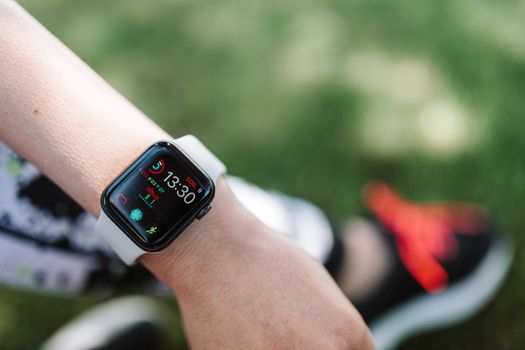
Alongside the phone update, Google launched Wear OS 7 for smartwatches. The headline improvements are Live Updates: glanceable, real-time information like delivery tracking and live sports scores, and a welcome boost to battery life, a perennial sore spot for smartwatch owners.
Wear OS 7 also does double duty as connective tissue for Google's next hardware bet, preparing watches to pair with the company's incoming smart glasses.
Android XR and the glasses era
Perhaps the most forward-looking piece of the announcement is Android XR, Google's new operating system for headsets and smart glasses. The company has been building toward this for a while, and it's now extending its hardware partnership with Xreal to deliver the Project Aura glasses.
The Google / Xreal Aura XR glasses are available to preorder, with a broader launch of Android XR smart glasses expected this fall. It's an early but clear signal that Google sees wearable displays, not just phones and watches, as the next computing frontier, and Android 17 plus Wear OS 7 are designed to plug straight into that ecosystem.
For now, Pixel owners get first crack at the new software, with the rest of the Android world to follow in the coming weeks and months.
Source: The Verge.