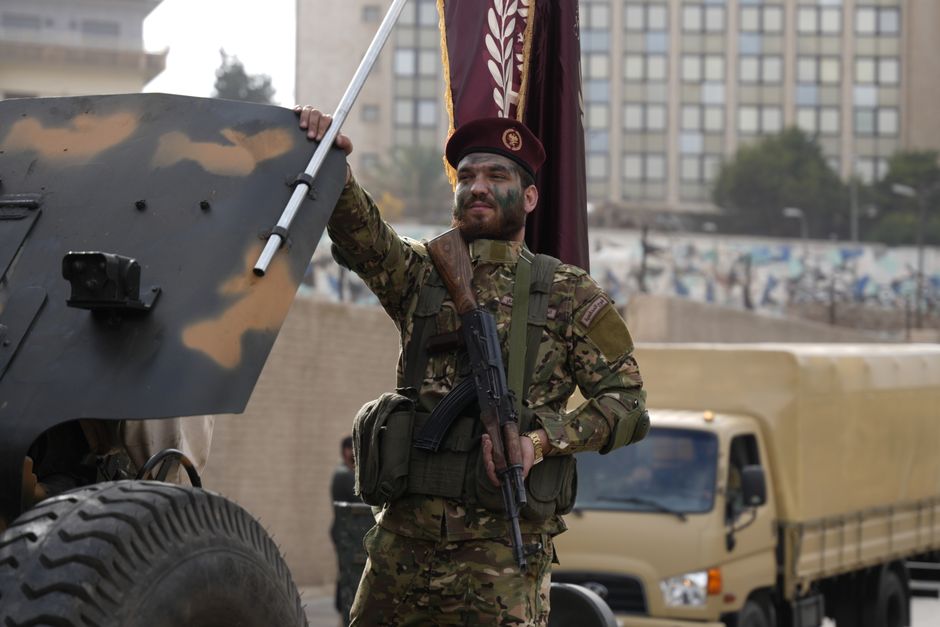
The conflict involving Iran has sent shockwaves through global energy markets, and no country is watching more carefully than China, one of the world's largest energy importers and a major buyer of Iranian oil.
BBC News reported on the compounding pressures facing China as the Iran crisis escalates: higher energy costs, disrupted supply chains, and the strategic challenge of a country that has maintained close economic ties with Tehran while trying to preserve its relationships with Western trading partners.
China's Energy Dependence on Iran
Over the past several years, China became one of the primary buyers of Iranian oil, purchasing crude at discounted prices that Western sanctions made Iran desperate to sell. This arrangement worked well for both parties when the geopolitical situation was tense but stable. The current escalation changes that calculation significantly.
Strikes on Iranian gas fields and disrupted Middle Eastern energy infrastructure directly affect the availability and price of the energy China has come to depend on. Higher global energy prices hit Chinese manufacturing, which operates on thin margins and depends on affordable energy to compete internationally.
The Strategic Dilemma
China faces a genuinely complex strategic situation. It has been one of the few major powers maintaining significant economic relationships with Iran, which gives it potential influence, but also exposure. As the conflict escalates, pressure will mount on Beijing from both directions: from Western allies pushing for China to distance itself from Tehran, and from domestic economic interests that benefit from continued trade.
China has historically preferred to position itself as a neutral party in Middle Eastern conflicts, benefiting economically from all sides. The current crisis may be testing the limits of that approach, a wider conflict or a prolonged disruption to Iranian energy exports could impose economic costs on China that neutrality alone can't protect against.
Global Energy Market Implications
The cascading effects of the Iran conflict on energy markets are already visible. Oil prices have surged. LNG spot prices have risen as buyers scramble for alternative supplies. Countries from Europe to Asia are recalibrating their energy procurement strategies in real time.
For Canada, these developments have dual implications. As a major oil and gas producer, Canada benefits from higher global energy prices. Canadian producers see revenue increases when oil trades higher. But as a trading nation deeply integrated into global supply chains, Canada also faces higher input costs and supply chain disruptions from the same instability driving those price increases.
Can China Absorb the Shock?
Analysts cited by BBC News suggest China has significant reserves and diversification capacity that could help it weather a period of Iranian supply disruption. But a prolonged conflict, particularly one that spreads to affect other Persian Gulf producers, would test those buffers.
The world is watching Beijing's response as much as it's watching the battlefield developments. China's choices in the coming weeks will shape both the geopolitical trajectory of the conflict and the trajectory of global energy markets.
Source: BBC News