Amazon Pulls the Plug on Older Kindles
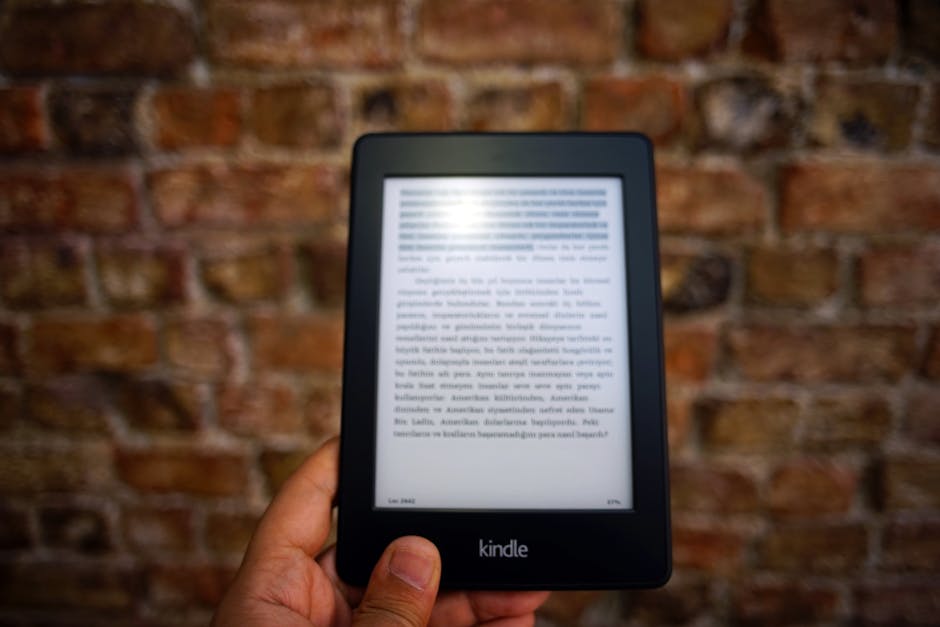
Amazon has officially ended support for a range of older Kindle e-readers, cutting off software updates and, more critically for many users, the ability to add new books to devices they've owned for years. For readers who love their aging Kindles and have no desire to buy a new one, the news stings.
But a growing community of tech-savvy users isn't going quietly. Instead, they're turning to jailbreaking, modifying their devices at a software level to bypass Amazon's restrictions and restore full functionality.
What Jailbreaking Actually Does
Jailbreaking a Kindle involves exploiting vulnerabilities in the device's software to gain root access, essentially giving you administrator-level control over a device that Amazon otherwise locks down. Once jailbroken, users can install unofficial software, sideload e-books in formats Amazon doesn't natively support (like EPUB), and continue using the device even after official support ends.
For many people, this is the difference between a still-functional piece of hardware gathering dust and a perfectly usable reading companion for years to come.
Communities on Reddit and dedicated forums like MobileRead have been sharing step-by-step guides for various Kindle models, with some jailbreak methods working on devices going back nearly a decade.
The Risks Are Real
Before anyone rushes to root their old Paperwhite, it's worth understanding what can go wrong.
First, jailbreaking voids your warranty, though on an end-of-life device, that's largely a moot point. The more serious risk is bricking: if the process goes wrong, you could be left with a Kindle that won't turn on at all. Some older models are more vulnerable to this than others.
There's also a security angle. Installing unofficial software from unverified sources always carries the risk of malware, and a jailbroken device no longer receives Amazon's security patches.
Finally, Amazon has been known to remotely wipe or de-register jailbroken devices in the past, though enforcement has been inconsistent.
The Bigger Conversation: Right to Repair
The Kindle jailbreaking wave is the latest chapter in an ongoing debate about who really owns a device after you buy it. Critics argue that when Amazon ends support for a Kindle, it's effectively making a piece of working hardware obsolete by software policy, not hardware failure.
Right-to-repair advocates point to situations like this as exactly why legislation matters. In the EU, new rules are starting to require manufacturers to support devices for longer periods. In the US and Canada, the conversation is still very much ongoing.
For now, determined Kindle users are voting with their soldering irons (metaphorically speaking), finding ways to extend the life of devices that, physically, have plenty of reading left in them.
Should You Do It?
If your Kindle has been rendered non-functional by Amazon's support cutoff and you're comfortable with some technical risk, jailbreaking may be worth exploring, especially with the detailed community guides available. If you're not technically inclined or rely on your device daily, the risk of bricking it probably outweighs the benefit.
Either way, the growing community of Kindle modders is a reminder that the people who buy hardware don't always agree that a company should get the final say on when it stops working.
Source: TechCrunch