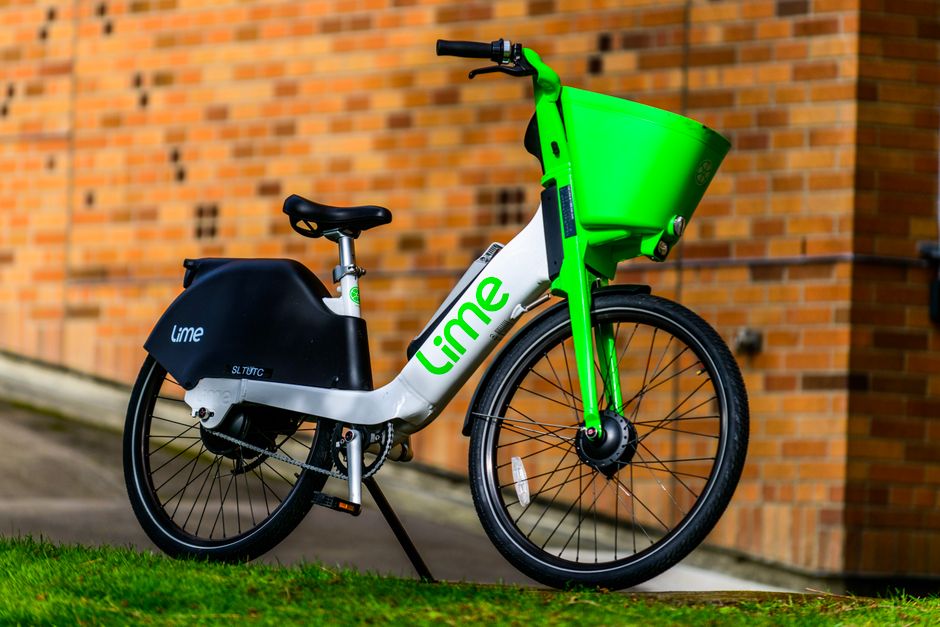
Lime Is Finally Going Public
After years of hints, near-misses, and quiet preparation, Lime has officially filed for an initial public offering, a watershed moment for the global micromobility industry and a signal that shared scooters and e-bikes may finally be ready for Wall Street.
The San Francisco-based company, which counts Uber among its high-profile backers, operates fleets of electric scooters and bikes across hundreds of cities on multiple continents. Its IPO filing represents one of the most anticipated listings in the urban mobility space, and will put a public price tag on a business that fundamentally changed how millions of city dwellers move through their neighbourhoods.
A Long Road to the Public Markets
Lime's path to an IPO has been anything but smooth. The company weathered a brutal period during the COVID-19 pandemic, when lockdowns brought shared mobility demand to a near standstill. It restructured its debt, cut markets, and slimmed operations, all while continuing to expand strategically in cities where the economics made sense.
Uber's investment and ongoing commercial partnership, which sees Lime scooters bookable directly through the Uber app, gave the company both capital and a critical distribution advantage. That relationship helped Lime outlast several of its rivals, including Bird, which filed for bankruptcy in late 2023, leaving Lime as one of the last major independent players in the shared micromobility game.
Why This IPO Matters
A successful Lime listing would do more than just reward its investors. It would serve as a referendum on the entire shared micromobility model, an industry that has faced persistent questions about profitability, unit economics, and long-term sustainability.
Critics have long argued that cheap per-ride fares, expensive hardware, and high operational costs (think: charging, rebalancing, repairs) make the business nearly impossible to run profitably at scale. Lime's S-1 filing, when it becomes public, will offer the clearest window yet into whether the company has cracked that code.
For cities and urban planners, the IPO is also a moment of reflection. Micromobility was once heralded as a revolution in last-mile transportation, a way to get cars off city streets and connect transit riders to their destinations. In many cities, that promise has partially been kept. In others, scooters became a sidewalk nuisance and regulators pushed back hard.
What's Next
Lime has not yet announced a target valuation or a timeline for when shares will begin trading. The IPO process typically takes several months from initial filing to the first day on the market, during which the company will conduct a roadshow and allow institutional investors to weigh in on pricing.
For now, the filing itself is the news, a sign that Lime's leadership and its backers believe the public markets are finally ready to absorb a micromobility story, and that Lime is the company to tell it.
Whether investors agree will become clear in the months ahead.
Source: TechCrunch

