Astronauts Take Shelter as New Leaks Emerge on ISS
NASA took a precautionary step aboard the International Space Station this week, temporarily moving crew members into SpaceX's Crew Dragon capsule after Russian space agency Roscosmos detected new air leaks in the Zvezda service module, the Russian-built segment that serves as the station's primary living quarters and propulsion hub.
The shelter-in-place order was brief, and NASA confirmed the crew was never in immediate danger. Still, the incident underscores the persistent and growing concern over the structural integrity of one of the ISS's most critical components.
What Happened
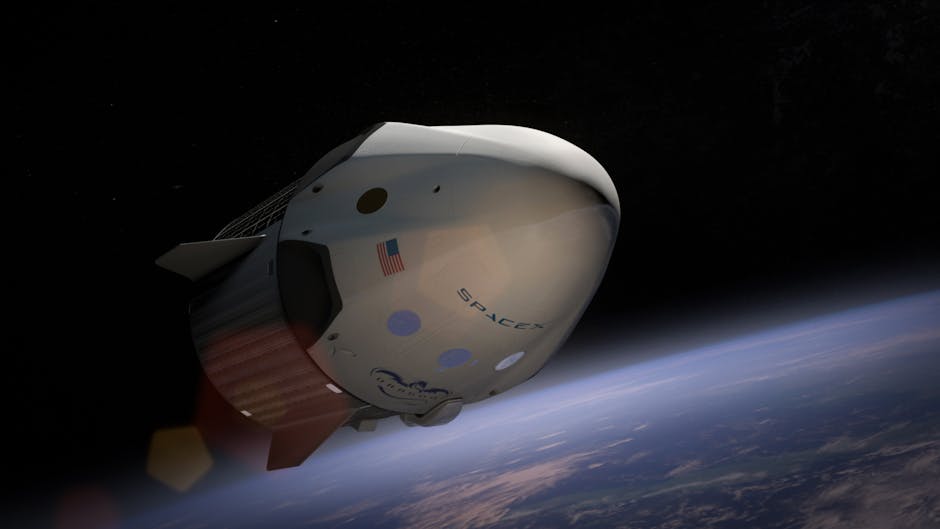
Roscosmos engineers identified the new leaks during routine monitoring of the Zvezda service module, which has been plagued by air loss issues for several years. As a precaution, NASA directed astronauts to move into the Crew Dragon vehicle, which remains docked to the station and doubles as a lifeboat, while teams assessed the situation.
After the review, crew members were cleared to return to the main station. NASA emphasized that the leaks posed no immediate threat to crew safety and that procedures worked as designed.
A Long-Running Problem
This isn't the first time Zvezda's leaks have made headlines. Roscosmos first confirmed air loss in the module's transfer compartment back in 2019, and the problem has resurfaced repeatedly since. Engineers have attempted various sealing methods over the years, but the leaks have continued, slowly but persistently.
The Zvezda module, launched in 2000, is one of the oldest components of the ISS. It provides the station's main engines for orbital adjustments, life support systems, and crew quarters for Russian cosmonauts. Its aging infrastructure has become a point of concern as the station approaches its planned decommissioning in the early 2030s.
SpaceX Dragon as a Lifeline
The fact that Crew Dragon served as a temporary safe haven highlights the dual role the commercial spacecraft plays on the ISS. Beyond ferrying astronauts to and from the station, the Dragon capsule remains docked throughout a mission and can serve as an emergency escape vehicle if conditions aboard the station deteriorate.
This flexibility has become increasingly valuable as station hardware ages and unexpected issues arise more frequently.
What's Next
NASA and Roscosmos are continuing to monitor the leak situation. The two agencies, despite broader geopolitical tensions between the United States and Russia, have maintained cooperation on ISS operations, which depends on both sides fulfilling their respective roles.
The incident is likely to add pressure to ongoing discussions about the timeline for decommissioning the ISS and transitioning to commercial space stations. NASA has contracts with several private companies, including Axiom Space and Blue Origin, to develop successor platforms.
For now, the crew is safe, the station is operational, and engineers are working to understand the scope of the new leaks. But each incident like this serves as a reminder that the ISS, remarkable as it is, is a 25-year-old structure operating in one of the harshest environments imaginable.
Source: TechCrunch

