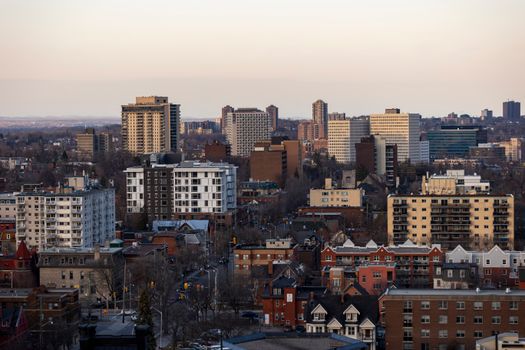
Ottawa's housing crisis just got a vivid, hard-to-ignore symbol: a 402-unit apartment tower standing frozen mid-construction, nothing but a concrete skeleton against the city skyline.
The project, which was meant to add hundreds of rental units to Ottawa's strained housing supply, has stalled, and the reasons are becoming an all-too-familiar story in Canadian real estate development circles.
Debt, Interest Rates, and a Developer's Nightmare
According to a report from Ontario Construction News, the project has been crippled by what insiders are calling a "perfect storm", a combination of heavy debt loads taken on during the low-interest-rate era and the sharp, sustained rise in borrowing costs over the past two years.
When developers financed projects like this one, many modelled their returns on interest rates that now seem quaint. The Bank of Canada's aggressive rate hike cycle, which pushed the overnight rate from near zero to over five percent between 2022 and 2023, fundamentally changed the math on projects that were already deep into construction financing.
The result: carrying costs balloon, lenders get nervous, and construction halts. The crane comes down. The workers go home. The concrete sits.
Ottawa's Housing Crunch Gets Worse
The timing couldn't be worse for Ottawa renters. The city has been grappling with a rental vacancy rate hovering near historic lows, and average rents for a two-bedroom apartment in Ottawa have surged well past $2,000 per month in most central neighbourhoods.
City planners and housing advocates have repeatedly pointed to new supply as the primary lever for easing affordability pressures. Projects like this 402-unit development were supposed to be part of that solution, a meaningful chunk of new rental inventory entering the market.
Instead, the unfinished building now stands as a cautionary tale about the fragility of the current development pipeline.
A Broader Industry Problem
Ottawa is not alone. Across Ontario, dozens of mid-rise and high-rise residential projects have been suspended, cancelled, or quietly shelved as developers wrestle with the same financing squeeze. Industry groups have been lobbying federal and provincial governments for measures to backstop construction financing or reduce development charges that inflate project costs.
For Ottawa specifically, the stakes are high. The city's official plan targets significant densification along its major transit corridors, the kind of density that depends heavily on private apartment development getting built.
What Happens Next?
Partially constructed buildings are tricky to resolve. Lenders typically need to find a new developer willing to take over the project at a price that makes sense under current financing conditions, which often means the original developer takes a significant loss. Receivership proceedings are common.
In some cases, municipalities or non-profit housing providers have stepped in to acquire stalled projects and complete them as affordable or mixed-income housing, though that process can take years.
For now, the concrete skeleton remains, a 402-unit reminder of just how difficult it has become to build new homes in Ottawa, even when everyone agrees the city desperately needs them.
Source: Ontario Construction News via Google News Ottawa