Ottawa is once again at the centre of a national conversation over Indigenous rights, as the Assembly of First Nations (AFN) calls on the federal government and the provinces to firmly protect treaty rights in the wake of growing separatist rhetoric out of Alberta.
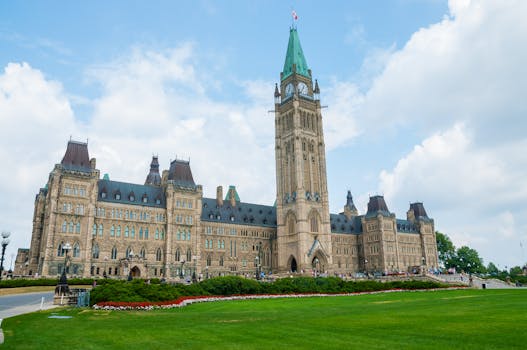
The AFN's message lands squarely on Parliament Hill, where federal officials are being asked to take a clear, public stand on an issue that touches every corner of the country. For Ottawa, a city whose institutions exist precisely to manage the relationship between the Crown and First Nations, the call is a reminder that treaty obligations aren't abstract legal footnotes. They're living commitments that predate Confederation and remain binding regardless of how provincial politics shift.
Why Alberta Separatism Talk Has Ottawa's Attention
Talk of Alberta separating from Canada has ebbed and flowed for years, but recent momentum has reignited concern among First Nations leaders that treaty rights could be treated as negotiable in any hypothetical restructuring of the federation. Treaties in what is now Alberta and much of the Prairies were signed directly with the Crown, not with individual provinces, meaning Ottawa carries a unique and non-transferable responsibility to uphold them.
AFN leadership has been unambiguous: no province, regardless of its grievances with the federal government, has the authority to unilaterally alter or walk away from treaty commitments. That responsibility sits with the Crown, and by extension, with the federal institutions headquartered right here in Ottawa.
What This Means for Ottawa Residents
While the immediate flashpoint is in Alberta, the story is fundamentally an Ottawa story too. Decisions about how the federal government responds, whether through formal statements, meetings with First Nations leadership, or legislative action, will be made in the halls of Parliament and federal departments based right here in the capital. Ottawa residents, particularly those working in federal Indigenous relations, legal policy, or advocacy spaces, are likely to see this issue play out locally through consultations, press conferences, and possibly demonstrations near Parliament Hill in the coming weeks.
Ottawa is also home to a significant Indigenous population and numerous national Indigenous organizations that operate out of the city, meaning local advocacy groups may become directly involved in shaping the federal response.
A Bigger Test for the Federal Government
The AFN's call puts the federal government in a difficult position: it must balance provincial relations with Alberta while reaffirming that treaty rights are non-negotiable, regardless of which government is in power provincially. How Ottawa responds, and how quickly, will be watched closely by First Nations across the country, not just in Alberta.
For now, the AFN says it expects clear commitments from federal and provincial leaders alike, stressing that treaty rights were never contingent on Canada's internal political arrangements staying the same.
Source: CBC, via Google News Ottawa