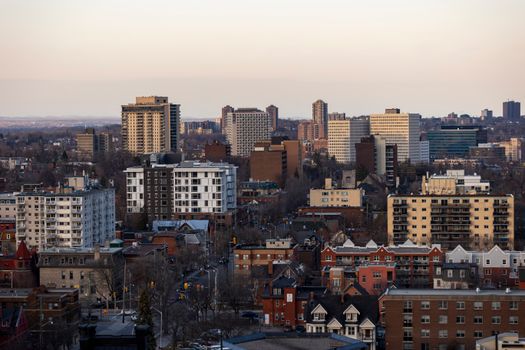
Ottawa's Airbnb market has undergone significant transformation since the City of Ottawa introduced its short-term rental licensing framework in 2021. In 2026, the question of whether an Ottawa Airbnb investment is worthwhile has a nuanced answer: it depends entirely on whether you're operating from your principal residence.
Ottawa's Short-Term Rental Rules in 2026
Ottawa requires all short-term rental operators to hold a City of Ottawa short-term rental licence. The key restriction: only your principal residence can be used as a short-term rental. This eliminates the "investor buys a condo to Airbnb" model that was common in Toronto and Vancouver before their own regulatory crackdowns.
Consequences of operating without a licence include fines of $500–$100,000 and potential property seizure in repeat violation cases. Airbnb and Vrbo are legally required to verify Ottawa host licences before listings go live.
What Is Still Permitted in Ottawa
- Primary residence rentals: You can rent your home (or individual rooms) while you travel or on weekends, with a licence
- In-law suites and legal secondary units: If you live on-site, a secondary unit can be short-term rented in some circumstances
- Home-sharing: Renting rooms in your occupied home is generally permitted with a licence
Ottawa Airbnb Economics: The Numbers
For a compliant Ottawa Airbnb host renting their downtown condo or home:
Central Centretown/Byward Market condo:
- Average nightly rate: $150–$220 (1-bedroom)
- Average occupancy: 65%–75% (Ottawa benefits from Parliament Hill tourism, summer festivals, and conference traffic)
- Monthly gross revenue: $2,925–$4,950
- Platform fees + cleaning + supplies: $600–$900/month
- Net income: $2,300–$4,000/month
Compare this to long-term rent for the same unit: $2,000–$2,400/month. The Airbnb premium is real, but it comes with management time, inconsistent income, and regulatory compliance costs.
Ottawa's Seasonal Airbnb Dynamics
Ottawa benefits from diverse short-term rental demand:
- Summer: Parliament Hill tourists, festival season (TD Ottawa Jazz Festival, RBC Bluesfest), canal users
- Fall: Thanksgiving and Halloween events
- Winter: Rideau Canal Skateway visitors, government conference season
- Spring: Tulip Festival (150,000+ visitors annually)
The Tulip Festival alone in May generates Ottawa's highest Airbnb rates of the year, hosts routinely charge $300–$500/night during peak bloom weeks.
The Investment Verdict for 2026
If you own a home or condo in Ottawa's core and can manage short-term rentals yourself, Airbnb can meaningfully supplement your income, particularly during Ottawa's event-driven peak seasons. If you're buying a property purely for Airbnb in Ottawa without intending to live there, you're operating outside the rules and risking significant fines.
The investor play in Ottawa is long-term rental, duplexes, triplexes, and purpose-built rental units, not short-term accommodation. The city has made its regulatory intent clear, and it's unlikely to reverse course.