Ottawa and the surrounding region are home to First Nations communities whose basic infrastructure needs remain deeply tied to federal funding decisions, and right now, one community is fighting to keep its lights on.
The Algonquins of Barriere Lake First Nation are facing an urgent energy crisis: federal funding that has been keeping their diesel generators running is set to expire, leaving the remote community uncertain about where its power will come from next.
A Community Left in the Dark, Figuratively and Literally
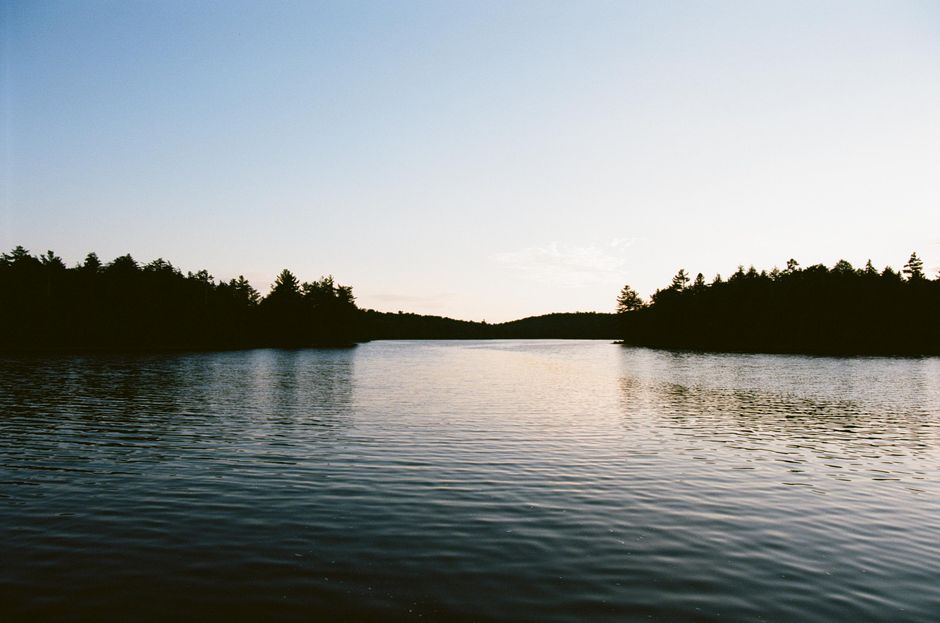
Barriere Lake, located in the Laurentian wilderness of western Quebec, relies on diesel generators for its electricity supply, a reality that's both costly and environmentally taxing. For years, federal dollars through Indigenous Services Canada have helped cover those costs, but with that funding window closing, the community is scrambling for a sustainable path forward.
The stakes couldn't be higher. Without a reliable power source, basic necessities, heating, refrigeration, medical equipment, communications, are all at risk. For a remote First Nation community, losing power isn't just an inconvenience. It's a crisis.
Chief and Federal Government at an Impasse
The Algonquins of Barriere Lake's chief has been in ongoing conflict with both Indigenous Services Canada and Hydro-Québec over what the right long-term solution looks like. The federal department and the provincial utility appear to have their own preferred direction, which may not align with the community's needs or wishes.
This kind of jurisdictional tension, between federal Indigenous services, provincial utilities, and First Nations leadership, is a recurring challenge for remote communities across Canada. The Algonquins of Barriere Lake are now the latest community caught in that gap.
Why This Matters Beyond the Community
The situation at Barriere Lake shines a spotlight on a broader issue that resonates deeply in Ottawa's policy circles: the gap between Canada's commitments to Indigenous reconciliation and the on-the-ground reality for First Nations communities still relying on aging, diesel-powered infrastructure.
Indigenous Services Canada, headquartered in the nation's capital, is the federal body responsible for funding and supporting First Nations infrastructure. Advocates and community leaders have long argued that the department's support for remote energy projects is underfunded and insufficiently coordinated with provincial utilities.
With the federal government's reconciliation agenda under continued public scrutiny, the Barriere Lake situation is a concrete test of whether those commitments translate into action when a community's lights are literally at stake.
What Comes Next
The community is actively searching for a solution, whether that means an extension of current funding, a new agreement with Hydro-Québec, or an alternative energy project like solar or wind. No resolution has been announced yet.
For now, the Algonquins of Barriere Lake are waiting, and hoping the negotiations move faster than the clock on their generators.
Source: CBC Ottawa. Read the original report at cbc.ca.

