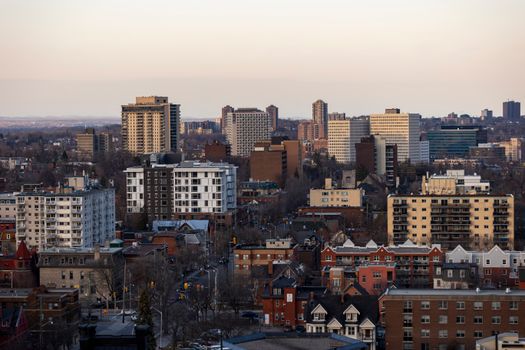
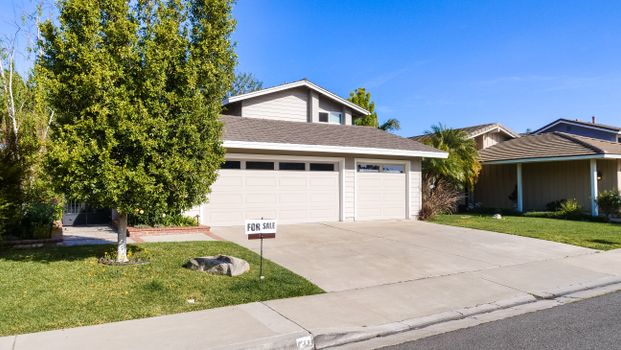
Ottawa's housing market has entered a new phase in 2026, shaped significantly by the Bank of Canada's ongoing interest rate cuts that began in mid-2024 and have continued into this year. For buyers who sat on the sidelines during the high-rate era, the shift is creating real opportunities, though the picture is more nuanced than a simple "it's a buyer's market" headline.
What Lower Rates Mean for Ottawa Buyers
The most immediate effect of rate cuts is on monthly carrying costs. As the Bank of Canada's policy rate has come down, variable-rate mortgages have dropped in lockstep, and fixed rates have followed more gradually. For Ottawa buyers looking at homes in the $600,000–$800,000 range, which covers a broad swath of the market from Barrhaven to Kanata to Centretown condos, the difference in monthly payments compared to 2023 can be meaningful, often freeing up hundreds of dollars per month.
Fixed-rate shoppers still need to act strategically. Lenders price five-year fixed mortgages based on bond yields, which don't always move in sync with the Bank of Canada's overnight rate. Working with a mortgage broker who watches the bond market closely is more valuable than ever.
The Return of Cautious Buyers
One of the clearest signals in Ottawa's spring 2026 market is increased foot traffic at open houses. Neighbourhoods like Westboro, Hintonburg, and the Glebe, which saw activity cool sharply in 2023 and 2024, are reporting stronger buyer interest again. The same is true in suburban communities like Orleans and Stittsville, where family homes had lingered on the market longer than sellers expected.
That said, this isn't a frenzy. Buyers in 2026 are more deliberate. Many went through the painful experience of watching their purchasing power erode as rates climbed, and they're not rushing back in recklessly. Conditions and home inspections are back on the table in a way they weren't during the peak bidding-war years.
What Sellers Should Know
For Ottawa homeowners considering selling, the renewed buyer activity is welcome news, but pricing discipline still matters. Overpriced listings are still sitting. The buyers returning to the market are informed. They've been watching for months, they know the comparable sales, and they're not desperate.
Condo sellers in particular face a more competitive landscape as new inventory that was locked in years ago continues to come to market across Ottawa's urban core. Detached homes in established, walkable neighbourhoods remain the most resilient segment.
First-Time Buyers: The Stress Test Still Applies
It's worth noting that even with lower rates, Ottawa first-time buyers still need to qualify at the federal mortgage stress test rate, which sits above the actual contract rate. This means borrowing capacity hasn't expanded as dramatically as the rate cuts might suggest. First-time buyers should get pre-approved early and be realistic about what lower rates actually unlock for their specific financial situation.
Looking Ahead
Most economists expect the Bank of Canada to hold rates relatively steady through the remainder of 2026, barring significant economic surprises. That stability, more than the direction of rates, tends to be what gives buyers the confidence to commit. Ottawa's housing market performs best when people can plan ahead, and 2026 is shaping up to offer more of that predictability.
For anyone sitting on the fence, the message from Ottawa's real estate community is consistent: get your financing in order, know your neighbourhoods, and don't wait for a perfect moment that may never come.
Source: Ottawa real estate market data 2026