Ottawa's Recreation Infrastructure Has a Serious Problem
Ottawa has a lot of rinks. It also has a growing problem keeping them running.
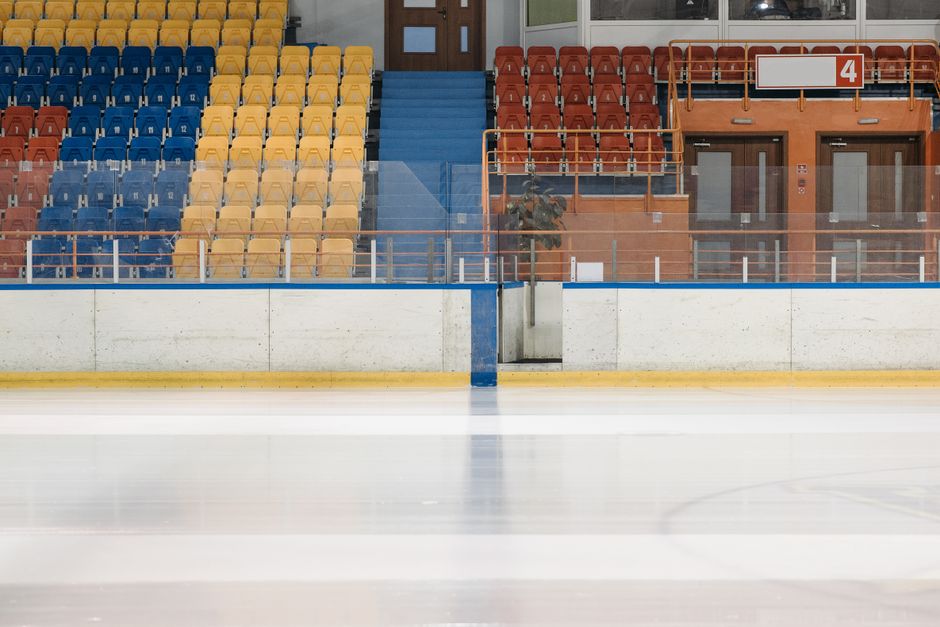
The Belltown Dome, a neighbourhood arena tucked into Grandeur Park, recently had its refrigeration system fail, a setback that's put the facility's future in question. For most residents, it looks like a local inconvenience. For Alex Cullen, it looks like a symptom of something much worse.
"It's a canary in the coal mine," said Cullen, president of the Belltown Neighbours Association and a former Ottawa city councillor. His concern isn't just about one aging dome. It's about the dozens of recreation facilities across the city that were built in the same era and are now quietly approaching the end of their useful lives.
A City-Wide Pattern
The Belltown Dome isn't unique in its struggles. It's just the latest to make headlines. Ottawa built much of its community recreation infrastructure in the 1970s and 1980s, during a period of rapid suburban expansion. Those arenas, pools, and community centres are now 40 to 50 years old, and the maintenance bills are piling up.
Refrigeration systems, roof structures, mechanical systems, the components that keep these facilities operational don't last forever. When they fail, cities face a difficult choice: invest heavily in repairs, or let the facility decline until closure becomes inevitable.
For smaller neighbourhood arenas like the Belltown Dome, the calculus is especially painful. They serve local communities in ways that larger, centralized facilities can't fully replace. They're where kids learn to skate, where rec hockey leagues meet on Thursday nights, where the neighbourhood gathers in winter. Losing one leaves a real gap.
The Cost of Doing Nothing
Cullen and other advocates argue that Ottawa needs to stop treating each failing facility as an isolated problem and start addressing the infrastructure deficit as a whole. Deferred maintenance doesn't disappear. It compounds. Every year a failing system isn't replaced, the eventual repair bill gets bigger.
The city has faced similar conversations before, particularly around its older indoor pools and libraries. But recreation facilities often fall lower on the priority list than roads or transit, even though they're central to the quality of life that makes Ottawa neighbourhoods livable.
The question now is whether the Belltown Dome's refrigeration failure will be the moment that forces a broader reckoning, a proper audit of what Ottawa's aging rec infrastructure actually needs, and a realistic plan for funding it.
What Comes Next
For Belltown residents, the immediate concern is simple: will their arena be fixed, and will it reopen? That answer isn't clear yet. But the larger conversation Cullen is pushing for, about how Ottawa plans and pays for community recreation over the next 20 years, is one the city will have to have eventually.
The dome may be small. The problem it represents is not.
Source: Ottawa Citizen

