Ottawa's rental market continues to reward investors who know where to look, and in 2026, the gap between high-yield and low-yield neighbourhoods is wider than ever. With vacancy rates remaining tight across most of the city and rents trending upward, knowing which areas offer the best return on investment can make or break a purchase decision.
Centretown and Hintonburg: Urban Demand Drives Returns
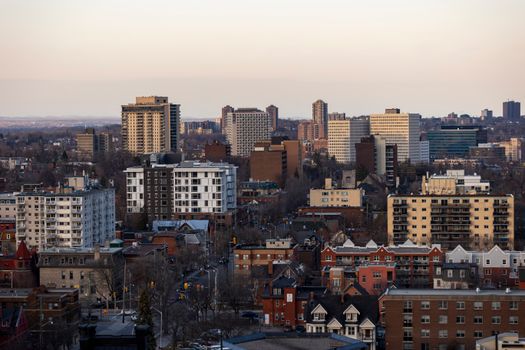
Centretown remains one of Ottawa's most reliable neighbourhoods for rental income. Its walkability, proximity to government offices and the University of Ottawa, and strong transit connections keep vacancy low year-round. One- and two-bedroom units move quickly, often renting within days of listing. Hintonburg and Westboro, just west of downtown, attract young professionals and remote workers who want character-filled streets with café culture, demand that translates into lower tenant turnover and more stable cash flow.
Vanier and Overbrook: Affordability Meets Yield
For investors focused on gross yield rather than prestige, Vanier and Overbrook offer some of the most compelling entry prices in Ottawa while still commanding solid rents. As neighbouring areas have gentrified, both communities have seen increased interest from renters priced out of trendier options. Purchase prices remain relatively accessible compared to Westboro or the Glebe, which means the rent-to-price ratio, the core of any yield calculation, holds up better. Ongoing neighbourhood investment and improved transit access have also improved long-term appreciation prospects.
Kanata and Barrhaven: Steady Family Rental Demand
In Ottawa's west end, Kanata continues to attract tenants tied to the tech sector, employees at major employers in the Kanata North Business Park who prefer renting while they assess the market. Larger units and townhomes in Kanata and Barrhaven appeal to families who want suburban space without committing to a purchase. Vacancy in these areas tends to stay low, particularly for three-bedroom properties, and tenants often stay longer, reducing turnover costs for landlords.
Sandy Hill and The Glebe: Student and Professional Mix
Sandy Hill's proximity to the University of Ottawa keeps rental demand consistently high, though the tenant mix, heavily student-weighted, can mean more turnover each spring. For investors comfortable with that cycle, yields can be attractive, especially in multi-unit properties. The Glebe, while pricier to buy into, commands premium rents from established professionals and maintains an extremely low vacancy rate, making it a lower-risk if lower-yield option.
What to Watch in 2026
A few factors are shaping Ottawa's rental landscape this year. The ongoing LRT expansion is gradually shifting commuter patterns, making some previously overlooked eastern communities more attractive to renters who work downtown. Additionally, rising ownership costs continue to push would-be buyers into the rental market, broadly supporting demand. New supply, particularly purpose-built rental towers in areas like Lebreton Flats and along major transit corridors, may modestly ease pressure in specific pockets over time, so investors should track pipeline developments in their target neighbourhoods.
For the strongest combination of yield, vacancy protection, and tenant quality in 2026, established urban neighbourhoods with transit access remain Ottawa's most reliable bets, with value-oriented areas like Vanier offering the highest gross returns for investors willing to accept more active management.
Source: Ottawa real estate market data 2026