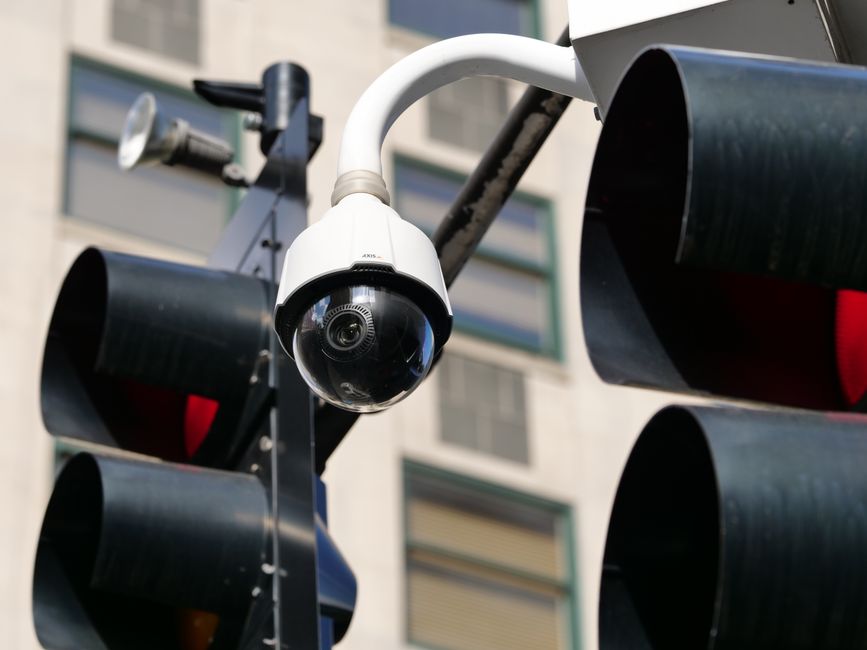
Ottawa Eyes Brampton's Camera Success Story
Ottawa has long grappled with questions about public safety infrastructure, and a new report out of Brampton offers a compelling case study for what targeted surveillance technology can accomplish. The City of Brampton announced this week that specialized cameras installed at key intersections across the municipality have aided Peel Regional Police in more than 200 investigations since their deployment roughly a year ago, a figure that caught the attention of public safety advocates and city planners across Ontario.
Brampton Mayor Patrick Brown touted the program as a meaningful step forward in using technology to keep residents safe, noting that the cameras were strategically placed at high-traffic and high-risk intersections rather than blanketed across the city indiscriminately.
What Makes These Cameras Different
Unlike standard traffic cameras, the specialized units in Brampton are designed with law enforcement utility in mind, offering higher resolution, improved low-light performance, and integration with regional police systems. That means when an incident occurs near a monitored intersection, investigators can pull footage quickly and reliably rather than hunting down patchwork footage from nearby businesses.
The result? Over 200 investigations supported in year one, a number that surprised even proponents of the program.
The Ottawa Question
So what does this mean for Ottawa? The capital already operates a network of red-light cameras and some traffic monitoring infrastructure, but the city has been slower than some peers to invest in purpose-built public safety cameras. Ottawa Police Service has periodically flagged resource and technology gaps in investigations involving street-level crime, carjackings, and hit-and-runs, the exact scenarios where intersection cameras tend to prove most useful.
City councillors and the Ottawa Police Services Board have discussed enhanced surveillance infrastructure in the past, particularly in areas like downtown, Vanier, and Overbrook that see elevated incident rates. Brampton's one-year results could serve as the kind of concrete, evidence-based argument that moves those conversations from committee rooms to budgets.
Privacy Concerns Remain
Of course, expanded camera networks don't come without pushback. Civil liberties advocates in Ontario have consistently raised concerns about the creep of surveillance infrastructure in public spaces, arguing that broad camera deployment risks normalizing constant monitoring of everyday activity, disproportionately affecting racialized and low-income communities.
Any Ottawa expansion would likely need to include clear policies on data retention, access controls, and independent oversight to earn broad public support. Brampton's model, focused on specific intersections rather than neighbourhood-wide coverage, may offer a middle-ground framework worth studying.
What's Next
Brampton officials say they're evaluating the program's first year results before deciding whether to expand to additional intersections. For Ottawa, the takeaway may be less about copying the program outright and more about the case it makes: that targeted, well-governed camera infrastructure can deliver measurable investigative value.
As Ottawa continues to grow and traffic volumes increase across the city, the question of how to modernize public safety tools, without compromising civil liberties, is only going to get more pressing.
Source: Global News Ottawa / globalnews.ca

