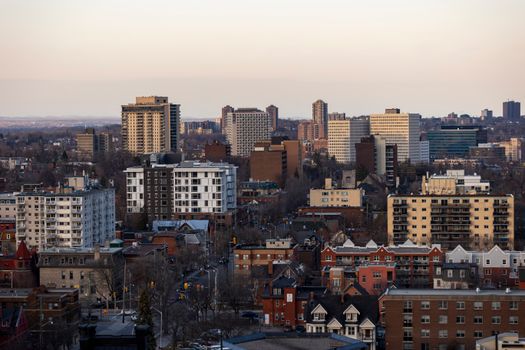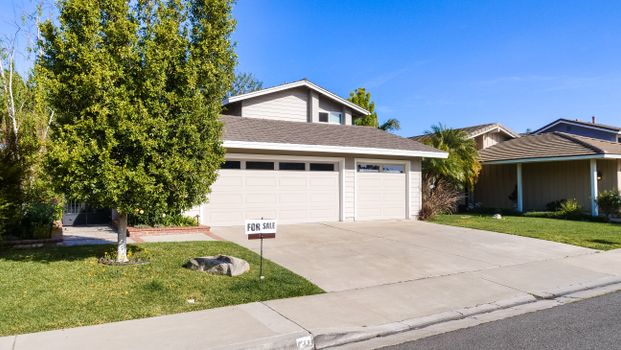
Ottawa's real estate market in 2026 continues to attract savvy investors, and one strategy has been quietly gaining traction across neighbourhoods like Vanier, Overbrook, and Carlington: the BRRRR method, Buy, Renovate, Rent, Refinance, Repeat.
What Is the BRRRR Strategy?
BRRRR is a real estate investment approach where you purchase a distressed or undervalued property, renovate it to increase its value, rent it out to generate income, refinance it based on the new appraised value (ideally pulling out most or all of your original capital), and then repeat the cycle with the next property.
Done well, it's a way to build a rental portfolio without tying up large amounts of cash indefinitely. Done poorly, it can leave you over-leveraged and under-rented.
Why Ottawa Makes Sense for BRRRR Right Now
Ottawa has several characteristics that make it a reasonable market for this strategy in 2026. The rental vacancy rate remains low, keeping demand for quality rental units strong, particularly in inner-city neighbourhoods and near post-secondary institutions like Carleton University and the University of Ottawa. Federal government employment provides a stable tenant base that many landlords appreciate.
Property values in certain pockets of the city have corrected from their pandemic-era peaks, creating opportunities to find undervalued properties that still have renovation upside. Areas like Heron Park, Elmvale Acres, and parts of Kanata's older west end have seen motivated sellers and less competition than the frenzy of a few years ago.
The Ottawa-Specific Challenges to Watch
The BRRRR strategy isn't without friction in Ottawa. Renovation costs have remained elevated, skilled trades are in demand and material prices haven't fully softened. Permitting timelines through the City of Ottawa can also slow down your timeline, especially for work that requires inspections.
Financing is the other key lever. The refinance step depends heavily on your lender's appraisal and current mortgage rates. In 2026, rates have eased somewhat from their recent highs, but you'll want to stress-test your numbers assuming a range of outcomes. Working with a mortgage broker who specializes in investment properties is strongly recommended.
Ontario landlord-tenant law also deserves careful attention. The Residential Tenancies Act governs your relationship with tenants, and evictions can be a lengthy process if a tenancy goes sideways. Many Ottawa investors mitigate this with thorough tenant screening from day one.
Neighbourhoods Ottawa BRRRR Investors Are Watching
Vanier and Overbrook continue to attract investors looking for older bungalows and semis with renovation potential. The ongoing revitalization of Montreal Road has made the area more appealing. Carlington and Confederation Heights offer similar value-add opportunities at lower entry prices than centrally located alternatives.
For those with a larger budget, older builds in Westboro or Hintonburg can command strong rents post-renovation, though the purchase price compresses your margins considerably.
The Bottom Line
BRRRR investing in Ottawa can work, but it rewards those who do their homework. Run your numbers conservatively, build in a renovation buffer, and have a clear rental rate target before you buy. The investors seeing success in Ottawa's 2026 market aren't swinging for home runs; they're making calculated, patient moves.
Source: Ottawa real estate market data 2026