Ottawa is moving closer to joining a growing number of Canadian cities with so-called "bubble zone" laws, as city councillors prepare to consider a new bylaw that would limit protests in the vicinity of schools, hospitals, and places of worship.
The proposed bylaw, if approved, would establish designated buffer zones around these sensitive locations, meaning demonstrators would be required to maintain a certain distance and keep their activities within defined limits. The rules are expected to take effect August 1, giving the city just a few months to finalize the details and communicate the new restrictions to residents.
What Is a Bubble Bylaw?
Bubble bylaws, also called buffer zone laws, are designed to protect people accessing essential services or gathering for religious observance from being confronted, intimidated, or harassed by protesters. They're common around abortion clinics in several provinces, and some municipalities have extended similar protections to other sensitive sites.
In Ottawa's case, the proposed bylaw would cover schools, hospitals, and places of worship. The intent is to ensure that students, patients, families, and worshippers can come and go without running a gauntlet of demonstrators, particularly during times when protests have intensified across the city.
Why Now?
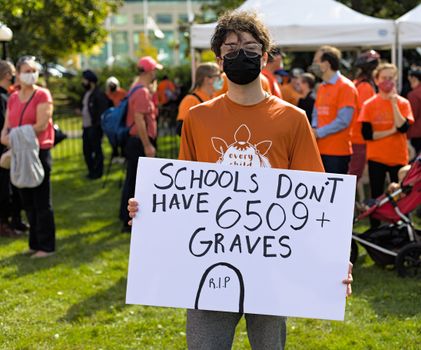
Ottawa has seen its share of high-profile protests in recent years, from the 2022 Freedom Convoy occupation of downtown streets to ongoing demonstrations outside schools and religious institutions tied to curriculum disputes and broader social debates. City staff and some councillors have been under pressure from community groups and residents to find a workable balance between the right to protest and the right to move freely and safely in public spaces.
The bylaw is expected to spark debate at council, with civil liberties advocates likely raising concerns about freedom of expression, a right protected under the Canadian Charter of Rights and Freedoms. City lawyers will need to demonstrate that any restrictions are a reasonable limit on that right, as courts have consistently upheld that protest rights are not absolute, especially when balanced against public safety and access to services.
What Happens Next?
Councillors will review the proposed language and hear from legal staff before voting on whether to proceed. Public consultations may also be part of the process, giving Ottawa residents a chance to weigh in on where the lines should be drawn.
If passed, bylaw enforcement officers would be responsible for monitoring compliance. Penalties for violations have not yet been publicly detailed, but similar bylaws in other jurisdictions typically involve fines.
Mixed Reactions Expected
The proposal is almost certain to divide opinion. Supporters argue that nobody should feel unsafe or harassed while dropping their child off at school, seeking medical care, or attending a religious service. Critics, meanwhile, will argue that restricting where protests can happen, even with good intentions, sets a troubling precedent for limiting public dissent.
Ottawa's legal and legislative teams will be watching court challenges to similar bylaws in other provinces closely as they craft language that can withstand scrutiny.
For now, Ottawans on all sides of the debate will have a chance to make their voices heard before the August 1 target date.
Source: CBC Ottawa

