Canada's Biggest Drone Defence Bet Yet
Ottawa is ground zero for a landmark federal investment in the future of Canadian defence technology, as the Liberal government announces nearly $1 billion in funding earmarked for drone and airborne defence research.
The money is being channelled through the National Research Council (NRC), one of Canada's premier science and innovation agencies, and covers a broad range of defence-focused initiatives. Among the headline items: the purchase of a Bombardier jet that will serve as an airborne research platform for testing and developing new technologies.
What the Money Covers
While specific program breakdowns haven't been fully detailed, the investment signals Ottawa's intent to build serious domestic capacity in a sector that has rapidly become central to modern conflict and national security strategy.
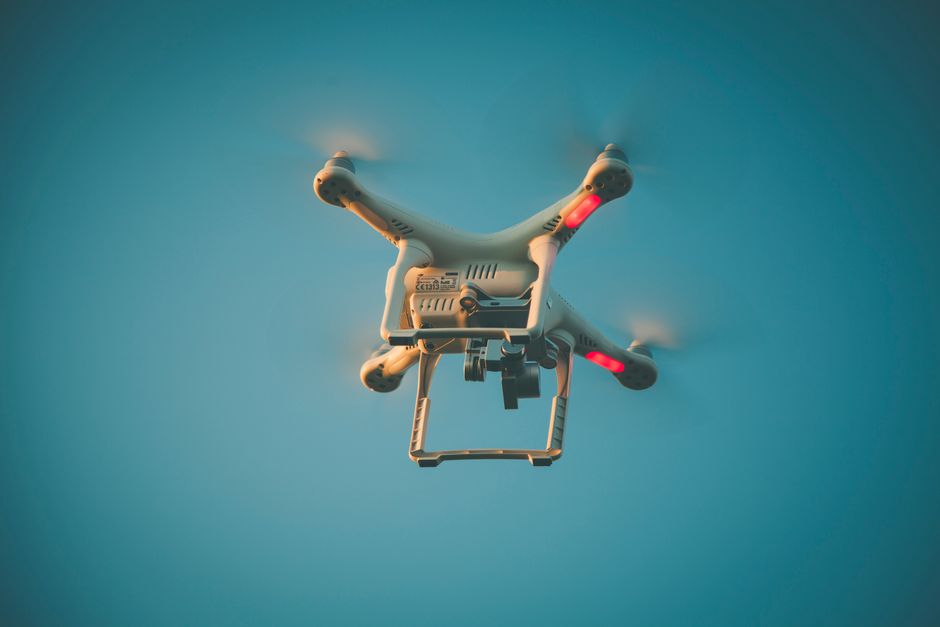
Drones, from surveillance UAVs to combat-capable systems, have reshaped the battlefield in recent years, most visibly in Ukraine and the Middle East. Canada, like many NATO allies, has been under pressure to accelerate its own capabilities and meet its defence spending commitments.
The NRC investment is designed to close some of those gaps by funding research that spans drone technology, airborne sensing, and related defence systems. The Bombardier aircraft purchase is particularly notable. It gives Canadian researchers a flying testbed to trial cutting-edge systems in real-world conditions without relying on foreign platforms.
Why This Matters for Ottawa
For Ottawa residents, this investment hits close to home in more ways than one. The NRC's main campus is located right here in the capital, making the city a direct hub for the research work this funding will support. Ottawa is already home to a dense cluster of defence and aerospace companies, many of which supply technology to the Canadian Armed Forces and allied nations.
This kind of federal research investment tends to ripple outward, generating contracts for local firms, supporting high-skill jobs, and attracting talent to the region. The defence tech sector has long been one of Ottawa's quiet economic engines, operating alongside the public service and the tech corridor along Kanata's March Road.
A Broader Strategic Shift
The timing isn't incidental. Canada's defence posture has been under scrutiny from allies, particularly the United States, which has repeatedly pushed Ottawa to increase military spending toward the NATO target of two percent of GDP. While this NRC investment is framed as research rather than direct military procurement, it represents a meaningful step toward building sovereign capability, the kind of foundational work that underpins longer-term defence capacity.
Critical drone and airborne defence research also intersects with Arctic sovereignty, an issue of growing urgency as climate change opens northern shipping routes and foreign powers increase activity in the region. Ottawa-based researchers working on airborne surveillance systems could play a key role in helping Canada monitor its vast northern territory.
What Comes Next
The NRC investment is part of a broader pattern of Liberal government announcements focused on defence and national security heading into the election cycle. Whether the funding translates into deployable systems, or remains primarily in the research phase, will depend on how programs are structured and whether future governments maintain the commitment.
For now, it's a significant signal that Canada is serious about not being left behind in the drone age.
Source: CBC News