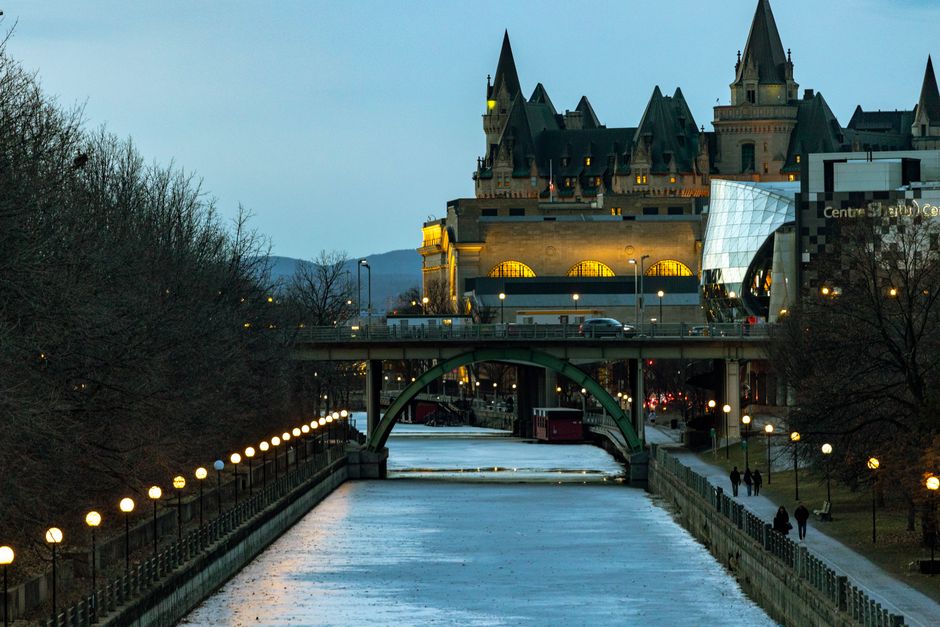
Ottawa's Parliament Hill is once again at the heart of a defining national question: can Canada build a climate strategy that protects the environment and the paycheques of working Canadians?
That's the central tension playing out inside the Liberal Party right now, as internal debates over environmental policy have reached a boiling point. At issue is a fundamental principle that critics say has been lost in the shuffle: the goal of climate policy isn't just to slash emissions. It's to slash emissions while keeping the conditions for Canadian prosperity intact.
A Government With Two Jobs
Good environmental governance, the argument goes, requires holding two things in mind at once. Yes, Canada has international commitments to reduce greenhouse gas emissions. But a federal government also has an obligation to the workers in the oil patch, the manufacturers in Ontario, and the forestry communities in B.C. who could be left behind if policy swings too hard, too fast.
The concern isn't that climate action is wrong. It's that poorly designed climate action can export emissions rather than eliminate them. If Canadian steel production becomes too expensive and gets replaced by steel from countries with weaker environmental rules, the planet doesn't win. Canadian workers just lose.
What a Smarter Strategy Looks Like
Policy analysts and industry groups have been pushing for a more competitiveness-aware approach, one that uses carbon pricing, green investment incentives, and trade-linked environmental standards together rather than treating each as a standalone lever.
This includes things like border carbon adjustments (charging imports from countries that don't price carbon), accelerated investment tax credits for clean manufacturing, and sector-by-sector transition plans that give industries a clear glide path rather than a cliff edge.
Ottawa has already moved on some of these fronts, the Clean Electricity Regulations and the federal investment tax credits for clean technology are examples, but critics argue the overall framework still lacks coherence.
The Political Stakes
For the Liberals, getting this balance wrong in either direction carries serious political risk. Lean too hard on industry and they alienate the climate-conscious voters who form a core part of their coalition. Lean too hard on emissions targets without an economic plan and they hand ammunition to Conservatives in resource-dependent ridings across Alberta, Saskatchewan, and rural Ontario.
The next few months on Parliament Hill could go a long way toward defining what Canadian climate policy looks like for the rest of the decade, and whether Canada can finally stop treating environmental protection and economic competitiveness as opposites rather than complements.
For Ottawans watching the debate unfold a few blocks from where the decisions get made, the stakes feel very real.
Source: Ottawa Life Magazine

