Ottawa's Canada Day Washed Out by Historic Rainfall
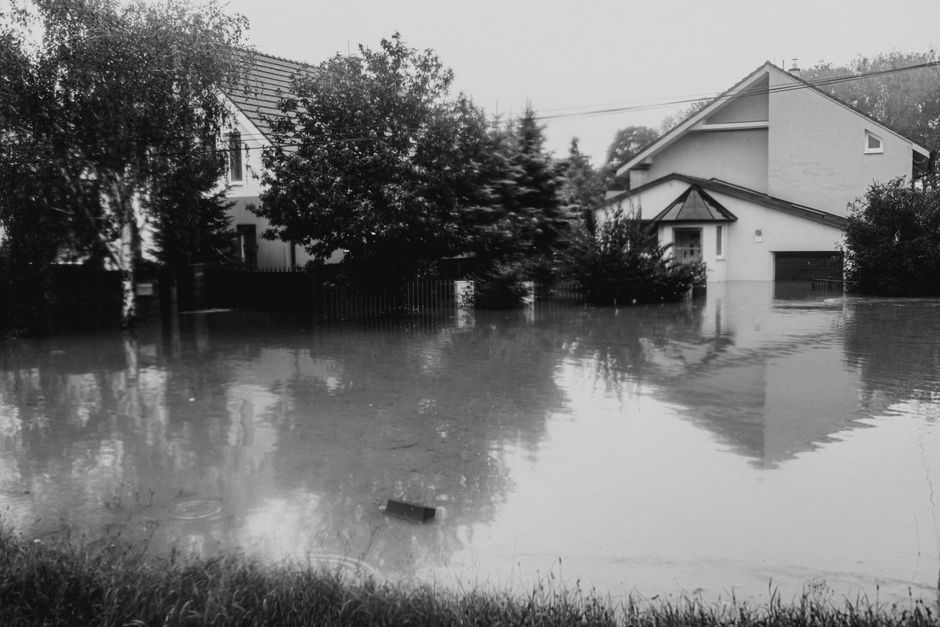
Ottawa woke up on July 1st to more than just fireworks, a severe storm system rolled through the capital and unleashed over 100 mm of rain, turning streets into rivers and sending water pouring into basements across the city.
The deluge, which struck during Canada Day celebrations, was one of the most significant rainfall events Ottawa has seen in recent memory. For context, the city typically receives around 80 mm of rain for the entire month of July, meaning this single storm dropped more than a full month's worth of precipitation in just hours.
Basements Flooded, Drains Overwhelmed
The sheer volume of water overwhelmed the city's stormwater infrastructure. Reports of flooded basements came in from neighbourhoods across Ottawa, with residents scrambling to set up sump pumps and wet-vacs to deal with the damage.
Low-lying areas and neighbourhoods with older drainage systems were particularly hard hit. Streets in parts of the city saw significant pooling, and some residents reported water entering their homes through window wells and floor drains.
Social media lit up with videos and photos showing backyard pools turning into lakes, submerged underpasses, and waterlogged Canada Day gatherings brought to an abrupt halt.
What to Do If Your Basement Flooded
If you're among the unlucky Ottawa homeowners dealing with water damage, here's what to do:
- Document everything before cleaning up, photos and video for your insurance claim
- Contact your insurer as soon as possible; overland flood coverage and sewer backup coverage are different policies
- Don't run electrical in flooded areas until an electrician clears it
- Call the City of Ottawa at 3-1-1 if the flooding came from a municipal sewer backup. You may be eligible for compensation
- Rent or borrow a dehumidifier to prevent mould from setting in after water is removed
City Monitoring the Situation
The City of Ottawa has been monitoring waterway levels and drainage capacity following the storm. Residents experiencing sewer backup or overland flooding caused by municipal infrastructure failures are encouraged to report it through the 3-1-1 service.
Environment Canada had issued weather alerts ahead of the storm, warning of the potential for heavy rainfall and localized flooding, though the full extent of the damage is still being assessed.
Climate and Ottawa's Aging Infrastructure
This kind of extreme rain event is becoming more common across Canada as climate patterns shift. Ottawa's stormwater infrastructure, much of it built decades ago, was not designed to handle rainfall of this intensity. City planners and engineers have been calling for infrastructure upgrades for years, and events like this underscore the urgency.
For Ottawa homeowners, the storm is a reminder to check whether your home insurance includes sewer backup and overland flood coverage, standard policies often don't include either, and adding them can make a significant difference when storms like this hit.
Here's hoping the rest of Ottawa's summer is a little drier.
Source: Global News Ottawa via Google News RSS

