The Gap Between EV Goals and Reality
Canada has set ambitious EV targets, 100% of new passenger car and light truck sales to be zero-emission by 2035. It sounds clean and decisive. The reality on the ground is considerably messier.
EV sales in Canada grew again in 2025, but remain well below the trajectory needed to hit 2035 targets. In Ottawa and across Ontario, the picture is nuanced: urban early adopters are buying, but suburban and rural buyers are holding back.
The Charging Infrastructure Problem Is Real
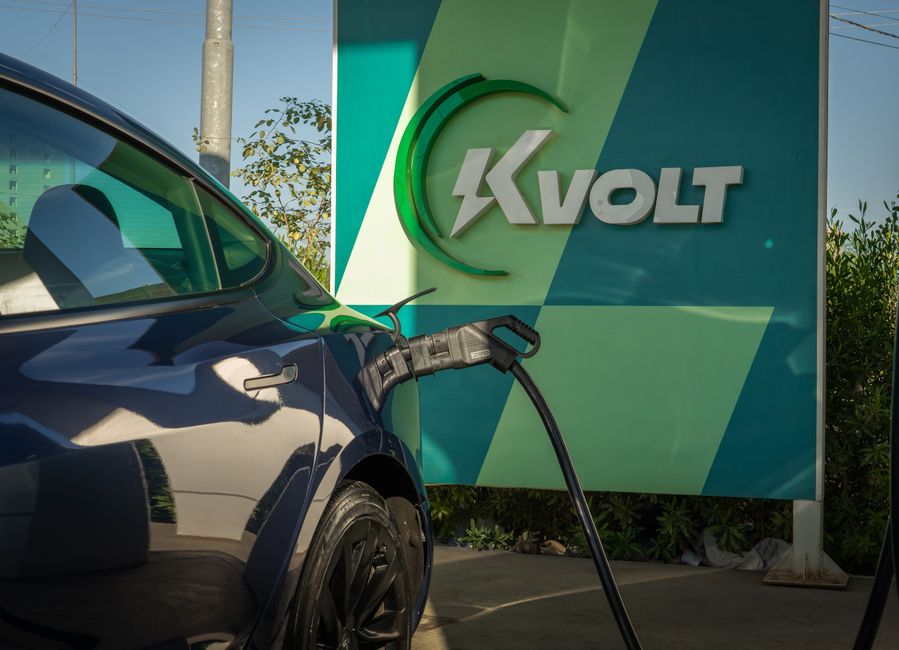
Range anxiety gets mocked as irrational, but in Canada's geography, it's a legitimate planning concern. The charging network in Ottawa proper has improved significantly over the past two years, the downtown core and most major shopping areas have Level 2 and DC fast charging. But drive two hours north to cottage country, and the infrastructure drops off sharply.
For the many Ottawa families who regularly travel to rural Quebec or Northern Ontario, the calculation is different than for a Toronto driver who mostly commutes within the city.
What's Actually Driving Purchase Decisions
Price remains the biggest barrier. Despite federal and provincial incentives, the upfront cost of an EV still exceeds comparable gas vehicles for most buyers. The incentives help, the federal iZEV program offers rebates, but they're not fully closing the gap.
That said, total cost of ownership math is shifting. With Ottawa electricity rates and gas prices where they are, EV operating costs are genuinely lower over a vehicle's lifetime. The buyers who understand this are converting. The majority who don't are staying with gas for now.
2026's Key Developments
More affordable models are arriving from both legacy automakers and Chinese manufacturers navigating Canadian tariff rules. The Toyota RAV4 Plug-in Hybrid has launched with competitive pricing. Watch this space.
Source: CBC Technology / Google News