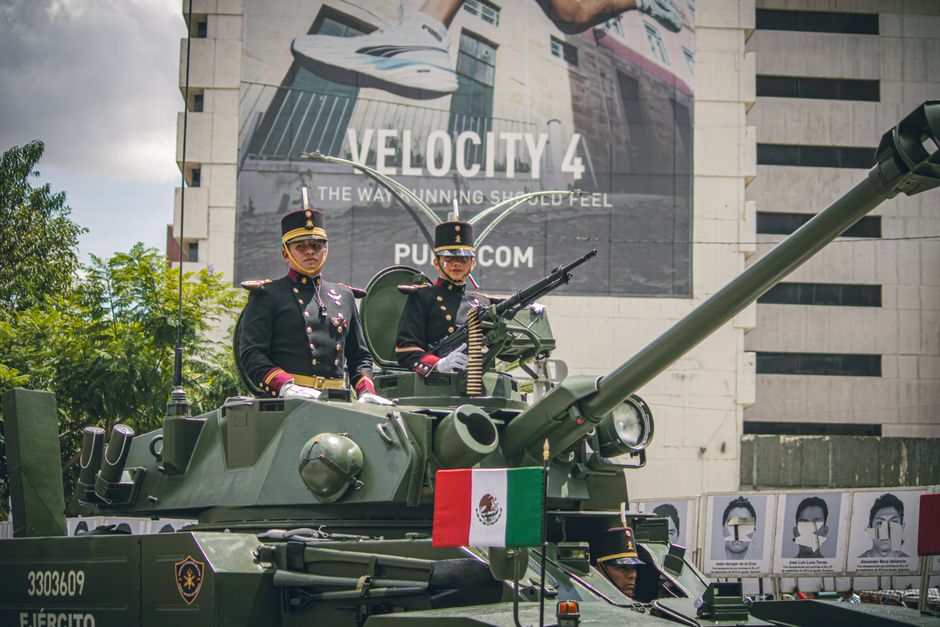
Ottawa's National Defence headquarters is overseeing plans to bring a new generation of Leopard tanks into the Canadian Army's arsenal, with the first vehicles expected to be operational by 2035, a move that reflects Canada's renewed commitment to land-based military capability after years of debate over armoured vehicle investment.
What We Know About the New Tanks
The project, still in its early stages, would replace or supplement Canada's aging fleet of Leopard 2 tanks, the same variant that saw service in Afghanistan and has been donated in part to Ukraine. While full specifications haven't been released, the timeline suggests the procurement process is expected to be lengthy, as is typical for major military vehicle contracts.
The first of the new vehicles operating in 2035 marks a decade-long runway, which tracks with how Canada has historically approached large-scale defence acquisitions. These timelines account for the competitive bidding process, contract negotiations, production, delivery, and integration into existing training and operational frameworks.
Why This Matters for Ottawa
For Ottawa residents, this isn't just an abstract national security story. The city is the nerve centre of Canada's military bureaucracy, the Department of National Defence and Canadian Armed Forces headquarters are both based here, and the decisions being made in those buildings on Colonel By Drive ripple out to bases across the country and missions abroad.
Ottawa is also home to a significant population of active and retired military personnel. The Garrison Petawawa, just 160 kilometres up Highway 17, is one of Canada's most important army bases and home to the 2nd Canadian Division's 4th Canadian Division Training Centre, as well as the Royal Canadian Regiment, a unit that would almost certainly be among the first to work with any new armoured vehicles.
The Bigger Picture: Defence Spending on the Rise
This announcement comes as Canada faces mounting pressure from NATO allies, particularly the United States, to increase defence spending toward the alliance's 2% of GDP target. Canada currently falls well short of that benchmark, and the Liberal and Conservative parties alike have pledged to close the gap in recent years.
Modernizing the tank fleet fits squarely into that narrative. Leopard tanks represent the high end of land combat capability, and maintaining a credible armoured force signals to allies that Canada is serious about contributing to collective defence, particularly in the European theatre where NATO's eastern flank is under renewed focus.
What Comes Next
For now, Canadians, especially those in Ottawa's defence community, will be watching closely as more details emerge about the procurement process. Questions remain about which variant will be selected, how many vehicles will be acquired, and what the total cost of the program will be.
With a 2035 in-service target, the project is a long game. But in defence procurement, getting the wheels, or treads, moving early is half the battle.
Source: Ottawa Citizen / Defence Watch

