Ottawa's Rideau Canal is already one of Canada's most beloved landmarks, drawing skaters in winter and paddlers in summer, but a group of local entrepreneurs is now asking whether it could also become the spine of a curated culinary experience, one eatery at a time.
The concept, loosely dubbed a "canal crawl," would guide participants along the waterway, stopping at local restaurants, cafés, and bars that line its banks. Think of it as a self-guided food tour with a scenic backdrop, something that cities like Toronto and Montreal have managed to pull off with great success along their own waterfronts.
A Tasty Idea With Real Legs
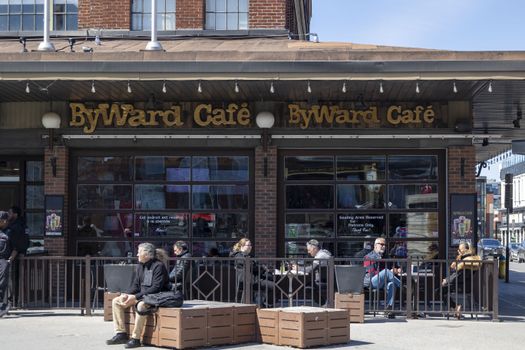
On paper, the concept checks a lot of boxes. Ottawa's canal-adjacent dining scene has matured considerably over the past decade, with spots ranging from casual patios in Glebe to upscale restaurants in Centretown all within easy walking distance of the water. A coordinated crawl could drive foot traffic to independent restaurants, extend tourist itineraries, and give locals a fresh way to explore neighbourhoods they already love.
Supporters of the idea point to the success of similar programming in other Canadian cities. Toronto's Distillery District food festivals and Vancouver's Dine Out event have demonstrated that curated food experiences can generate serious economic activity while also building community identity.
Where the Red Tape Comes In
But getting a canal crawl off the ground in Ottawa isn't as simple as printing a map and opening a reservation page. The Rideau Canal is federally managed by Parks Canada, while the surrounding sidewalks, roads, and public spaces fall under City of Ottawa jurisdiction. That split ownership creates a regulatory puzzle that event organizers would need to navigate carefully.
Permitting for outdoor events along the canal requires sign-off from multiple bodies, and any commercial activity, including ticket sales or organized group tours, can trigger additional licensing requirements. There's also the question of alcohol, a common feature of bar and food crawls elsewhere. Liquor service is tightly regulated in Ontario, and moving between licensed premises as part of an organized event adds another layer of complexity under AGCO rules.
Local restaurateurs who spoke to the Ottawa Business Journal noted enthusiasm for the concept but flagged real concerns about coordinating across multiple permit applications, particularly for smaller businesses without dedicated event staff.
What It Would Take to Make It Work
Industry observers suggest that a successful canal crawl would likely need a single organizing body, either a BIA, a tourism non-profit, or a private events company, to manage the logistics centrally. That entity would handle permits, coordinate with Parks Canada and the city, and act as a single point of contact for participating restaurants.
Ottawa Tourism has not publicly backed the concept yet, but given the city's ongoing push to build out its visitor economy beyond the parliamentary precinct, a canal-linked dining experience could fit neatly into the broader strategy.
For now, the idea remains in early stages, more conversation than concrete plan. But if local operators and city officials can find a way to cut through the red tape together, the canal crawl could become exactly the kind of homegrown experience that puts Ottawa's food scene on the national map.
Source: Ottawa Business Journal