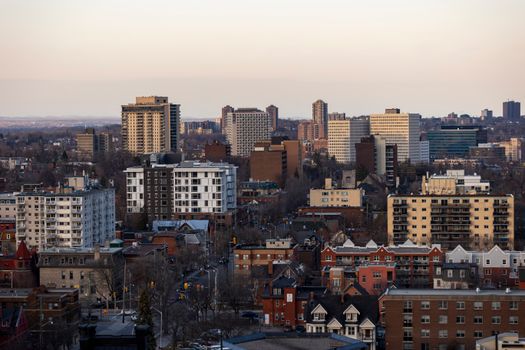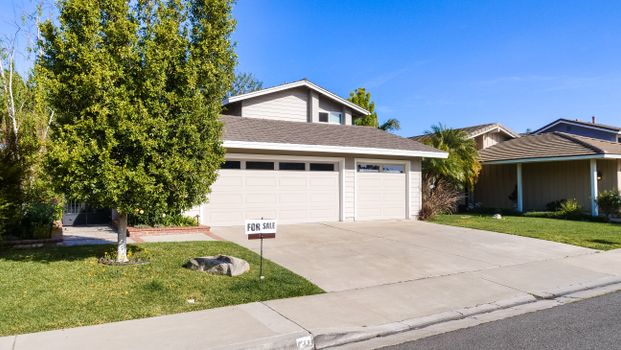
Ottawa homeowners who have seen significant appreciation in their properties over the past decade face increasingly important tax questions when they sell. Canada's capital gains rules are among the most misunderstood aspects of real estate transactions: here's a clear breakdown of what applies in 2026.
The Principal Residence Exemption: Ottawa's Tax-Free Sale
The most important rule for Ottawa homeowners: your principal residence is generally completely exempt from capital gains tax. If you've lived in your home as your principal residence for every year you've owned it, you owe zero capital gains tax on the sale, regardless of how much the property has appreciated.
Ottawa families who bought a Barrhaven home for $350,000 in 2015 and sell it for $750,000 in 2026, realizing a $400,000 gain, pay no tax, provided it was their principal residence throughout.
When Capital Gains Tax Applies to Ottawa Sellers
Capital gains tax applies in these Ottawa scenarios:
Investment properties: Rental properties, duplexes where you don't occupy a unit, or properties that were never your primary residence. The full gain is taxable.
Cottages and secondary properties: Your Rideau Lakes cottage that has appreciated is not a principal residence (unless you designate it as one for certain years, a complex election).
Properties rented out before sale: If you lived in a home and then rented it out before selling, you can designate it as a principal residence for the years you lived there and pay capital gains on the appreciation only during the rental period.
Business use of home: If you claimed a home office deduction for more than 50% of your home's square footage, the business portion's gain may be taxable.
The 2024 Capital Gains Inclusion Rate Changes
The 2024 federal budget proposed raising the capital gains inclusion rate from 50% to two-thirds (66.67%) for annual gains above $250,000 (for individuals) and on all corporate gains. These changes have been contested and were not fully implemented by early 2026, check with a tax advisor for the current status as of your sale date.
Calculating Capital Gains on Ottawa Investment Properties
Adjusted Cost Base (ACB): The capital gain is calculated from your ACB, purchase price plus buying costs (legal fees, land transfer tax, home inspection) plus capital improvements (additions, kitchen renovations, etc.).
Example:
- Purchase price: $450,000
- Buying costs: $12,000
- Capital improvements: $35,000
- ACB: $497,000
- Sale price: $750,000
- Capital gain: $253,000
- Taxable portion (50% inclusion): $126,500
- At 43% marginal rate: approximately $54,395 in tax
CRA Reporting Requirements
All Ottawa home sales must be reported on your tax return, even if the principal residence exemption applies. Failure to report (even exempt sales) can result in penalties.
Ottawa homeowners with complex situations, rental periods, home office deductions, or investment properties: should consult a tax accountant before listing. The tax planning before a sale often matters as much as the sale itself.