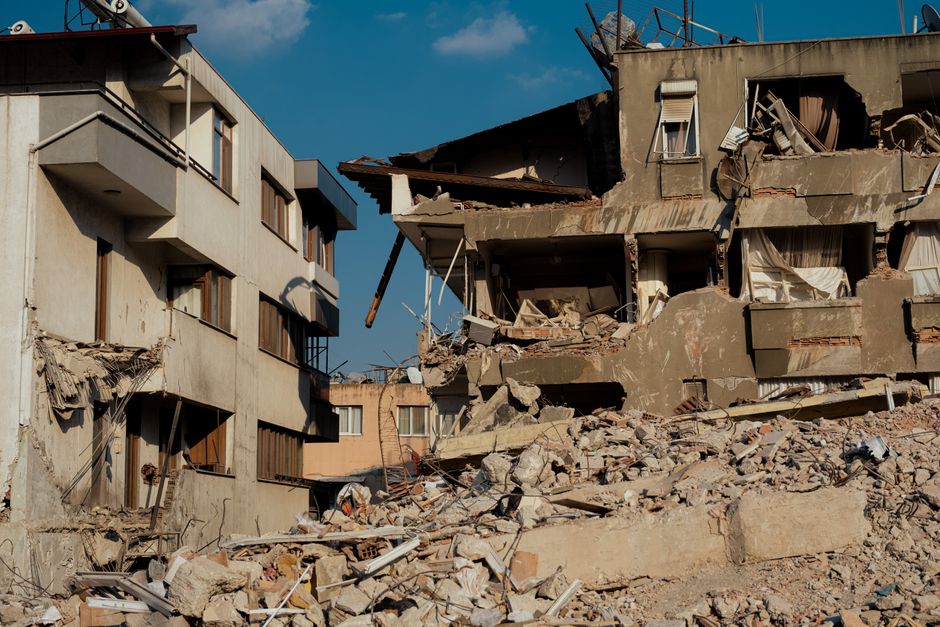
Ottawa's Carleton University is shaking things up, literally, with a new earthquake simulator designed to test just how resilient our buildings really are.
Engineering researchers at Carleton have developed a tool capable of replicating the seismic conditions of some of history's most notable earthquakes, putting building designs through their paces in ways that weren't previously possible without expensive, large-scale physical testing.
What the Simulator Does
The device works by mimicking the ground motion patterns recorded during real seismic events, think the 1989 Loma Prieta quake in California or major tremors that have struck Japan and Chile, and applying those forces to scaled structural models. By doing so, researchers can observe how different building materials, construction methods, and design approaches respond under pressure.
The engineering professors leading the project say the findings are already revealing important gaps between how buildings are theoretically expected to perform and how they actually behave when the ground starts moving.
Why This Matters for Ottawa
It might surprise some residents to learn that Ottawa sits in a seismically active zone. The Western Quebec Seismic Zone, which extends through the Ottawa Valley, has produced earthquakes strong enough to rattle buildings and crack foundations, including a notable 5.1 magnitude quake in 2013 that was felt across the region.
Older buildings in neighbourhoods like Lowertown, Centretown, and Vanier were constructed long before modern seismic building codes were introduced, meaning many structures haven't been evaluated against current earthquake preparedness standards. Research like this could eventually inform retrofitting priorities and guide future construction in the National Capital Region.
A Made-in-Ottawa Solution
What makes the Carleton simulator particularly notable is that it was designed and built locally, giving Ottawa researchers an in-house tool to run repeated experiments without shipping models to larger facilities in the United States or Europe, a logistical and financial challenge that has historically limited Canadian seismic research.
Having this kind of infrastructure on campus also opens the door for graduate students and collaborating engineers to conduct their own studies, potentially accelerating the pace of discovery in structural earthquake engineering.
What Comes Next
The research team is expected to publish their findings and work with industry partners to translate the results into practical guidance for engineers and city planners. With climate change increasing the unpredictability of natural disasters broadly, tools that help communities assess and improve building resilience are becoming more valuable, not less.
For Ottawa residents, this kind of homegrown research is a quiet reminder that the city is home to serious scientific and engineering talent working on problems that matter well beyond the lab.
Source: CBC Ottawa. Original report by Stu Mills.

