Carlington Keeps Getting Taller
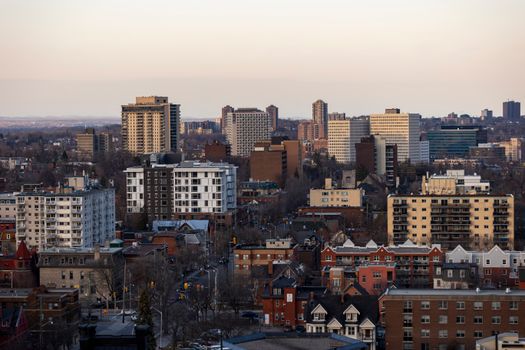
Ottawa's Carlington neighbourhood is once again at the centre of the city's ongoing densification push, with a new residential highrise proposal making its way through the planning process. The application is the latest in a string of mid- and high-rise developments targeting the area, a sign that developers see real opportunity in the community's transit access, proximity to Carling Avenue, and relatively affordable land compared to downtown.
For long-time Carlington residents, the news will feel familiar. The neighbourhood, a largely low-rise postwar enclave nestled west of Fisher Avenue, has watched neighbouring corridors transform rapidly over the past decade. Now, it seems, the towers are creeping closer to the community's core.
Why Carlington?
On paper, Carlington ticks many of the boxes planners and developers look for. It sits within reasonable distance of the Trillium Line's Carling station, making it a natural candidate for transit-oriented development under Ottawa's official plan. The city's intensification targets, driven partly by provincial housing mandates requiring municipalities to build more units faster, have put pressure on inner-urban neighbourhoods across Ottawa to absorb more density.
Carlington also benefits from proximity to the Civic Hospital campus and the broader healthcare corridor along Carling, which generates steady demand for rental housing from workers, students, and professionals.
Community Concerns
Not everyone is rolling out the welcome mat. Residents of established neighbourhoods like Carlington frequently raise concerns about tower proposals: loss of neighbourhood character, added pressure on aging infrastructure, shadows cast over adjacent low-rise homes, and questions about whether local amenities like parks, schools, and community centres can handle significantly more residents.
Ottawa City Council and planning staff have been navigating these tensions city-wide. The 2046 Official Plan calls for much of the city's growth to be concentrated along major transit corridors and in designated intensification areas, but determining exactly where those boundaries fall, and how high towers can go, remains a persistent flashpoint between developers, residents, and planners.
Part of a Bigger Picture
This latest Carlington proposal doesn't exist in isolation. Across Ottawa, similar applications are stacking up in neighbourhoods like Hintonburg, Westboro, Vanier, and along the LRT corridors. The city is under pressure from the provincial government to dramatically increase its housing supply over the coming decade, and highrise residential development is one of the fastest ways to add units.
For prospective renters and buyers priced out of Ottawa's tighter urban core, the pipeline of new towers, even in neighbourhoods that feel under the radar, could eventually mean more options. The catch, as with most new construction in Ottawa, is that "new" rarely means "affordable" at the point of opening.
As the proposal moves through the city's review process, Carlington residents and community associations will have opportunities to weigh in. Whether the neighbourhood ends up welcoming another tower to its skyline, or pushing back, will likely come down to the specifics of the application, the design, and how well the proponent makes the case for community benefit.
Source: Ottawa Business Journal