Federal Government Commits $3.8B to Protect Canada's Nature
Ottawa made headlines Tuesday as Prime Minister Mark Carney unveiled one of the largest conservation investments in Canadian history, $3.8 billion in new federal funding aimed at protecting the country's most ecologically significant lands and waters.
The announcement sets the federal government firmly on course toward its goal of protecting 30 per cent of Canada's lands and waters by 2030, a commitment Canada made under the Kunming-Montreal Global Biodiversity Framework.
New Conservation Sites: James Bay and Manitoba
Among the flagship projects included in the funding are new conservation areas in James Bay and Manitoba, regions that represent some of the most biodiverse and carbon-rich ecosystems in North America. Protecting these areas is seen as critical not only for wildlife but also for Canada's broader climate commitments.
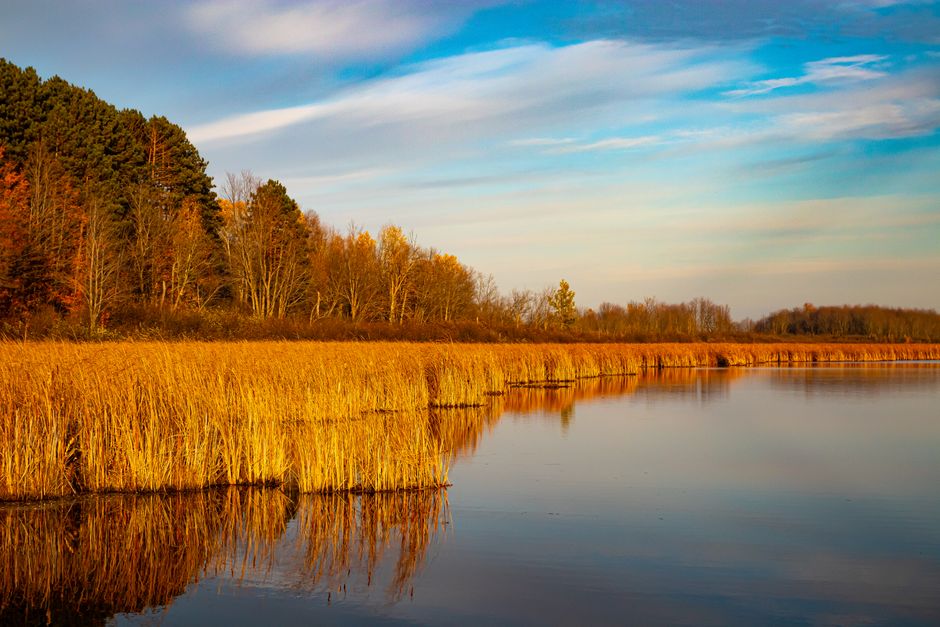
James Bay, in particular, is home to vast boreal wetlands and serves as a vital stopover for migratory birds, including many species that pass through the Ottawa Valley each spring and fall.
What This Means for Ottawa and the Ottawa Valley
For Ottawa residents and nature lovers in the region, the announcement carries real significance. The Ottawa Valley sits at the edge of some of Canada's most important natural corridors, and federal conservation dollars often flow into land trusts, Indigenous-led stewardship programs, and protected area expansions that benefit communities from Gatineau Park down through eastern Ontario.
Local environmental groups have long called for greater federal investment in nature protection, pointing to pressures on greenbelt lands, wetlands along the Ottawa River, and forest habitats in the surrounding region. Tuesday's announcement signals that the federal government is listening.
A Broader Climate and Biodiversity Strategy
The $3.8 billion commitment builds on Canada's existing nature fund and is expected to be delivered through a combination of direct federal investment, partnerships with provinces, territories, and Indigenous governments, and support for private land conservation.
Carney framed the announcement as both an environmental and economic priority, noting that healthy ecosystems underpin industries like forestry, fisheries, agriculture, and tourism, sectors that matter deeply to communities across the Ottawa region and beyond.
Why the 30x30 Goal Matters
Scientists widely regard the 30 per cent protection target as a minimum threshold for halting biodiversity loss. Canada currently protects roughly 13 per cent of its land and 8 per cent of its marine areas, meaning there's still a significant gap to close before 2030.
With this investment, the federal government is making a clear statement that closing that gap is a national priority, and Ottawa, as both the capital and a city surrounded by protected green space, has a stake in seeing it succeed.
Source: CBC Ottawa. Original story at cbc.ca.

