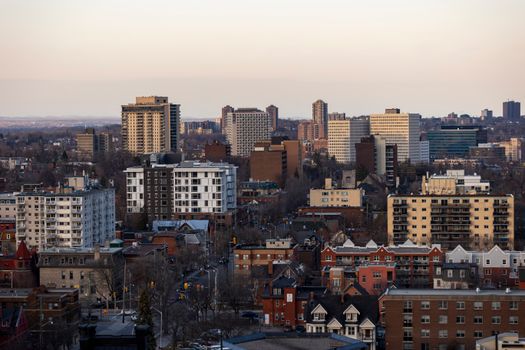
Ottawa is at the centre of a major new federal housing push, with Prime Minister Mark Carney announcing a $400 million joint fund with the City of Ottawa to tackle the capital's growing affordable housing crisis.
A Big Bet on the Capital
The announcement marks one of the most significant housing investments targeting Ottawa directly in recent memory. The $400 million fund, shared between the federal government and the city, is designed to fast-track the delivery of affordable units at a time when Ottawa's rental vacancy rate has hovered near historic lows and average rents have climbed sharply over the past several years.
Carney, who has made housing affordability a cornerstone of his economic platform, framed the investment as part of a broader national strategy to build more homes faster, but with Ottawa serving as a flagship model for federal-municipal collaboration.
What the Fund Means for Ottawans
For residents who have been squeezed out of the rental market or placed on years-long social housing waitlists, the announcement offers a rare note of optimism. The City of Ottawa currently has thousands of households on its affordable housing waitlist, and advocates have long called for exactly this kind of direct, large-scale government intervention.
The joint structure of the fund is notable: by pairing federal dollars with city commitments, the partnership is meant to cut through bureaucratic delays and get shovels in the ground more quickly than traditional grant programs allow. Ottawa city officials have signalled they intend to target the funding at mixed-income developments and purpose-built rentals in underserved neighbourhoods.
A City Under Pressure
Ottawa's housing market has undergone dramatic changes over the past decade. While the city doesn't face the same extremes as Toronto or Vancouver, rents in desirable inner-city neighbourhoods like Centretown, Hintonburg, and Old Ottawa South have risen steeply, pushing lower- and middle-income households further from transit and employment hubs.
The LRT expansion has also added pressure to certain corridors, with land values rising in anticipation of new stations. Housing advocates have repeatedly warned that without deliberate affordable housing investment along these corridors, the transit network risks accelerating gentrification rather than expanding access.
The Bigger Picture
This announcement fits into a pattern of renewed federal engagement on housing under Carney's government. Unlike previous funding models that flowed through provincial governments, a direct city-federal partnership gives Ottawa's municipal leadership more control over how and where money gets deployed, a structure that urban planners and housing non-profits have long championed.
If successful, the Ottawa model could serve as a template for similar joint funds in other Canadian cities facing comparable housing pressures.
For now, Ottawans watching their rent climb and their neighbours struggle to find affordable homes will be cautiously watching to see how quickly this half-billion-dollar promise translates into real units on the ground.
Source: CTV News via Google News Ottawa Real Estate feed