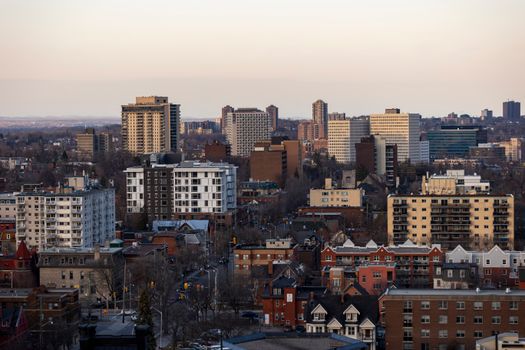
Ottawa's housing market has been navigating a tricky stretch, rising costs, interest rate uncertainty, and a persistent supply crunch, and now a major bank is throwing cold water on one of the few bright spots in recent data.
CIBC is cautioning that Canada's housing starts figures are being overstated, and that the numbers don't tell the full story about the health of the country's construction sector.
What CIBC Is Saying
According to a report flagged by Business in Vancouver, CIBC analysts believe the headline housing starts numbers are inflating the picture of new home construction activity across Canada. The bank warns this overstatement is masking underlying economic weakness, fewer homes are actually getting built than the raw figures suggest.
The discrepancy reportedly comes from how certain project types and pipeline stages are counted, leading to a rosier-than-reality read on supply growth. For a country already grappling with a housing affordability crisis, that's a significant concern.
What It Means for Ottawa
Ottawa has been one of the more active mid-size markets in Canada when it comes to new construction, with condo towers rising in Centretown and Hintonburg, and subdivision growth continuing in Barrhaven, Kanata, and Orleans. City officials have repeatedly pointed to housing starts data as evidence that supply is catching up to demand.
If CIBC's warning holds true, the actual pace of new supply hitting the Ottawa market may be slower than anticipated, which would add further pressure to an already tight rental and ownership market.
For first-time buyers in Ottawa who have been holding out hoping for more inventory, this is not encouraging news. Less real supply means continued competition for available homes, and less downward pressure on prices.
The Broader Economic Backdrop
The CIBC warning also lands in the context of broader economic uncertainty. With tariff pressures from the United States weighing on Canadian consumer confidence and business investment, the housing sector was being looked to as a potential stabilizer. If that sector is weaker than the data implies, it removes one of the cushions the Canadian economy was leaning on.
Ottawa, as a government town, has historically been somewhat insulated from private-sector economic swings, but the city's growing tech sector and increasing private-market housing activity mean it's more exposed to national economic currents than it used to be.
What Buyers and Renters Should Watch
If you're in the market, whether buying, renting, or investing in Ottawa real estate, the CIBC report is a reminder to look past headline numbers. A few things worth tracking:
- Actual completions, not just starts, a home that breaks ground isn't a home you can live in
- Rental vacancy rates in Ottawa, which have remained low despite construction activity
- Interest rate signals from the Bank of Canada, which will heavily influence whether stalled projects get unstalled
The takeaway is a familiar one for anyone who's been watching the Canadian housing market: the picture is more complicated than any single data point lets on.
Source: Business in Vancouver via Google News Ottawa Real Estate RSS feed.