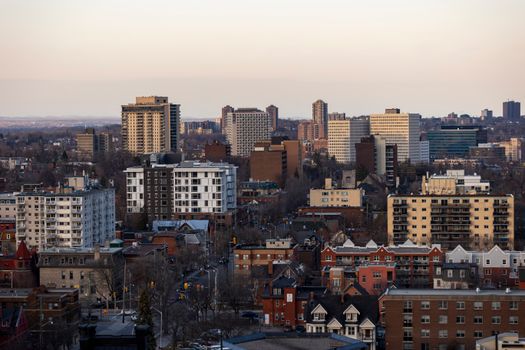
Ottawa's commercial real estate market has remained one of the more resilient in Canada, buoyed by a stable public sector, a growing tech corridor in Kanata North, and steady demand for retail and mixed-use space across the city. But buying commercial property here, whether it's a Glebe storefront, a Nepean office building, or an industrial unit near the Queensway, comes with a different risk profile than residential real estate, and buyers who don't do their homework can find themselves in serious trouble.
The Risks You Don't See Right Away
In any commercial transaction, the obvious risks, price, location, zoning, tend to get the most attention. But the more dangerous pitfalls often hide in the details: environmental liabilities, undisclosed tenancy issues, title defects, or deferred maintenance that doesn't show up on a surface inspection.
In Ontario, buyers of commercial property take on significant due diligence responsibility. Unlike residential sales, there's no cooling-off period, and conditions are frequently negotiated out in competitive bids. That means you need to go in with your eyes open, and your legal and technical teams lined up before you make an offer.
Due Diligence Is Your Best Tool
A thorough due diligence period is non-negotiable. For Ottawa buyers, that typically means:
- Environmental assessments: Phase I (and potentially Phase II) site assessments are essential, particularly for industrial or older commercial properties. Ottawa has a number of brownfield sites being redeveloped, and environmental contamination can become the buyer's problem the moment the deal closes.
- Lease review: If the property has existing tenants, understanding lease terms, rent rolls, renewal options, and any side agreements is critical. A tenant with a below-market lease and a 10-year term can significantly affect your returns.
- Title search and survey: Encumbrances, easements, and right-of-way issues are common in older parts of the city. A current survey and clean title opinion are essential.
- Building condition report: Mechanical, structural, and roof systems should be assessed by a qualified engineer. Deferred capital costs can quickly erode a deal's economics.
Working With the Right Team
Commercial real estate transactions in Ottawa benefit from a team approach. A commercial real estate lawyer experienced in Ontario law will handle title, agreements of purchase and sale, and financing conditions. A commercial broker who knows Ottawa's submarkets, whether that's the downtown core, Centretown, or the west-end tech parks, can flag issues before they become problems.
Financing also looks different on the commercial side. CMHC commercial programs, conventional lenders, and private capital each have their own qualification requirements, and getting pre-approved (or at minimum pre-qualified) before you enter a competitive process gives you a real edge.
Closing with Confidence
The deal isn't done until the keys are in hand. Closing conditions in Ontario commercial transactions can be complex, and last-minute surprises, a tenant dispute, a failed financing condition, or a title issue discovered late, can derail even well-structured deals.
The buyers who close with confidence in Ottawa's commercial market are the ones who've done the work upfront: solid due diligence, the right advisors, and a clear-eyed view of the risks they're taking on.
Source: Ottawa Business Journal, obj.ca