What Are Condo Fees and Why Do Ottawa Buyers Need to Understand Them?
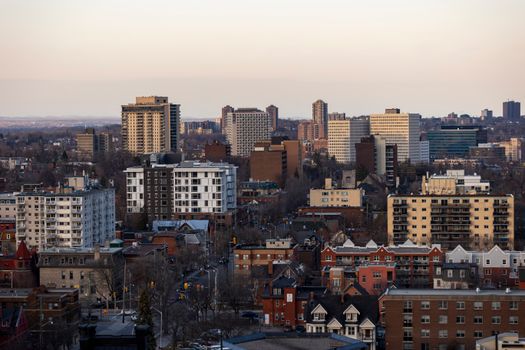
Ottawa's condo market has grown dramatically over the past decade, with towers rising in Centretown, Hintonburg, Westboro, and along the LRT corridor, and with that growth comes one of the most misunderstood costs in homeownership: the monthly maintenance fee. Whether you're a first-time buyer eyeing a unit on Lyon Street or an investor looking at a Gloucester high-rise, understanding what condo fees cover (and what they don't) can mean the difference between a smart purchase and a costly surprise.
Condo fees, formally called common element fees or maintenance fees in Ontario, are collected by the condo corporation each month. Every unit owner pays into a shared pool that keeps the building running and financially healthy.
What Your Ottawa Condo Fee Actually Covers
Most condo fees in Ottawa are split between two buckets: operating expenses and the reserve fund.
Operating expenses cover the day-to-day costs of running the building. This typically includes:
- Building insurance (for the structure itself, not your contents)
- Snow removal and landscaping, critical in Ottawa's winters
- Utilities for common areas (hallways, lobby, gym, parking garage lighting)
- Concierge or security services
- Property management fees
- Routine maintenance and cleaning
The reserve fund is the building's savings account. Every healthy condo corporation in Ontario is legally required to maintain a reserve fund, backed by a reserve fund study completed by a qualified engineer. These funds pay for major capital repairs down the road, a new roof, elevator overhauls, window replacements, garage membrane repairs, or boiler replacement. These projects can cost hundreds of thousands or even millions of dollars, and without a well-funded reserve, owners face special assessments.
Warning Signs of a Troubled Ottawa Condo Building
Not all condo corporations are run equally well. Before you sign on the dotted line, your real estate lawyer should review the status certificate, a document every Ontario condo buyer is entitled to request. Here's what to watch for:
Underfunded reserve fund. If the reserve is sitting at a fraction of what the reserve fund study recommends, the building is playing catch-up. That gap often gets closed through a special assessment, a one-time charge to all unit owners that can run into the thousands.
Frequent or large fee increases. A modest annual increase to keep pace with inflation is normal. Sudden jumps of 10–20% in a single year suggest the corporation has been undercharging and is scrambling to correct course.
Pending litigation. The status certificate will disclose any lawsuits involving the condo corporation. Major construction defect claims or disputes with developers can freeze finances and drag on for years.
Deferred maintenance. Walk the common areas. Peeling paint in stairwells, aging elevators, and neglected parking structures are signs that the board has been putting off work, work that will eventually need to get done.
High proportion of investor-owned units. Buildings where most owners are absentee investors can struggle with lower standards of upkeep and harder-to-reach owners for key votes.
What's a Reasonable Fee in Ottawa?
Condo fees in Ottawa vary widely depending on the age of the building, amenities offered, and unit size. Older buildings with pools, gyms, and concierge services naturally cost more to operate. A newer boutique low-rise with minimal amenities will typically carry lower fees. The key isn't finding the lowest fee. It's making sure the fee is adequate for the building's actual needs.
A low condo fee in a building with aging infrastructure is often a warning sign, not a selling point.
Do Your Due Diligence
Ottawa buyers should always work with a lawyer experienced in Ontario condo law, request the full status certificate, and have a professional review the reserve fund study before waiving conditions. Understanding condo fees is one of the most practical things you can do to protect your investment.
Source: Ottawa real estate market data 2026