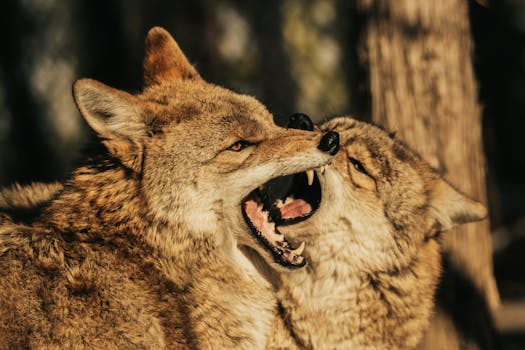
Ottawa residents spotted coyotes significantly more often in early 2025, but a new report reveals an important distinction: more sightings don't mean a larger population.
Between January 1 and February 18, 2025, the city received 185 coyote sightings south of the Renfrew rail corridor in Kanata North, making it the winter's wildlife hotspot. Yet here's what might surprise locals: overall sightings across Ottawa actually decreased slightly in 2025 compared to the previous year.
The Kanata North Spike
Kanata North, with its mix of residential neighborhoods, green spaces, and developing areas, has become ground zero for Ottawa's coyote activity this winter. The 185 sightings in just 1.5 months paint a vivid picture of wildlife navigating urban boundaries, but wildlife experts caution against jumping to conclusions about population explosions.
What we're really seeing is increased reporting, not necessarily increased numbers. As Ottawa expands and residents become more aware of wildlife, they're more likely to report and photograph sightings, especially in neighborhoods like Kanata North where interactions between urban and wild spaces are most visible.
Why More Sightings Doesn't Mean More Coyotes
Several factors drive the reporting spike without a corresponding population boom. Winter intensifies sightings because food sources are scarcer, pushing coyotes closer to residential areas where pets, garbage, and bird feeders attract them. Fresh snow also makes tracks visible and sightings impossible to miss.
Additionally, winter 2025 may have been particularly harsh in Kanata North, concentrating coyote activity in specific areas rather than spreading it across the city. Habitat changes, like new construction or cleared green spaces, can funnel wildlife into smaller zones, creating the illusion of overpopulation.
Coexisting Safely with Ottawa Coyotes
Despite the spike, Ottawa residents can take straightforward steps to reduce conflicts and encourage coyotes to keep their distance:
- Secure garbage: Use bear-proof bins or keep waste indoors until collection day
- Remove attractants: Bring pet food inside, clean up fallen fruit, and store compost securely
- Protect pets: Don't leave small dogs or cats unattended outdoors, especially at dawn and dusk
- Keep distance: If you spot a coyote, back away slowly and make noise, coyotes naturally avoid humans
- Report sightings: The city tracks reports to understand movement patterns and hotspots
A New Normal for Ottawa
Coyotes are now a permanent part of Ottawa's urban wildlife ecosystem. They're far more afraid of humans than we are of them, and fatal attacks on people remain extraordinarily rare. Most urban coyotes prefer small mammals, fruit, and garbage to any human contact.
The Kanata North sightings are a reminder that as Ottawa continues to grow, wildlife and residents will increasingly share space. Rather than viewing coyotes as a crisis, the city and its residents can adopt coexistence strategies that keep both populations thriving.
Source: Ottawa Citizen

