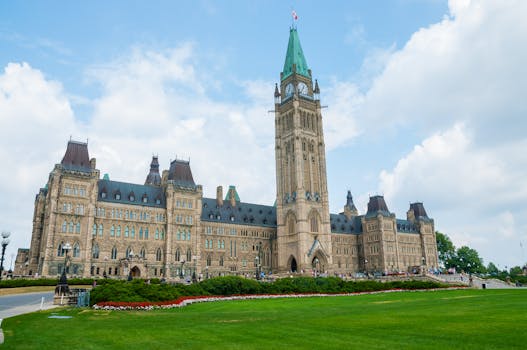
Ottawa is home to the federal government that Inuit women across Canada are now looking to for answers, after Denmark passed a bill this week compensating thousands of Inuit women in Greenland who were forcibly implanted with IUDs as part of a decades-long birth control campaign.
The Danish program, which ran largely through the 1960s and 70s, targeted Inuit women and girls, in many cases without their knowledge or consent, in what critics have called a coercive attempt to curb the Indigenous population of Greenland. Denmark's new compensation bill will see eligible women receive payouts, along with a formal acknowledgment of the harm caused.
Why this matters in Ottawa
For Inuit women in Canada, the story lands close to home. Reports of forced or coerced sterilization and reproductive interference among Indigenous women in Canada, including Inuit, First Nations and Metis women, have surfaced for years, with some cases dating back decades and others reported as recently as the 2010s. Advocacy groups have repeatedly brought these accounts to federal officials in Ottawa, pressing for an independent investigation, an apology and compensation similar to what Denmark has now legislated.
Ottawa is where those calls carry the most weight. National Indigenous organizations headquartered in or regularly lobbying the capital, including groups representing Inuit and First Nations women, have used Parliament Hill as a platform to demand accountability. With Denmark's bill now signed, advocates say the pressure on Canada's federal government to match that response, rather than continue treating individual cases through the courts, has grown.
What Inuit women in Canada are asking for
Women who have come forward with accounts of forced or coerced IUD insertions, tubal ligations or other reproductive procedures in Canadian hospitals say they want the same two things Denmark has now delivered to women in Greenland: a clear public apology and a compensation framework that doesn't require each survivor to pursue an individual lawsuit against the government or a health authority.
So far, Canada's federal government has not announced plans for a national inquiry or compensation scheme specific to this issue, though it has faced questions on the subject in the House of Commons in Ottawa in recent years. Advocates say Denmark's move gives them a concrete precedent to point to the next time the issue comes up in the capital.
Ottawa residents who want to follow the issue can watch for statements from Indigenous Services Canada and federal Indigenous affairs officials, as pressure from advocacy groups is expected to continue in the wake of Denmark's decision.
Source: CBC Ottawa