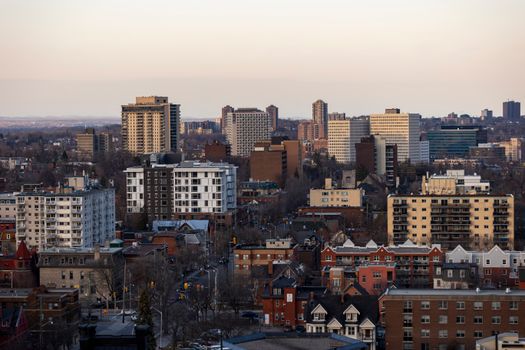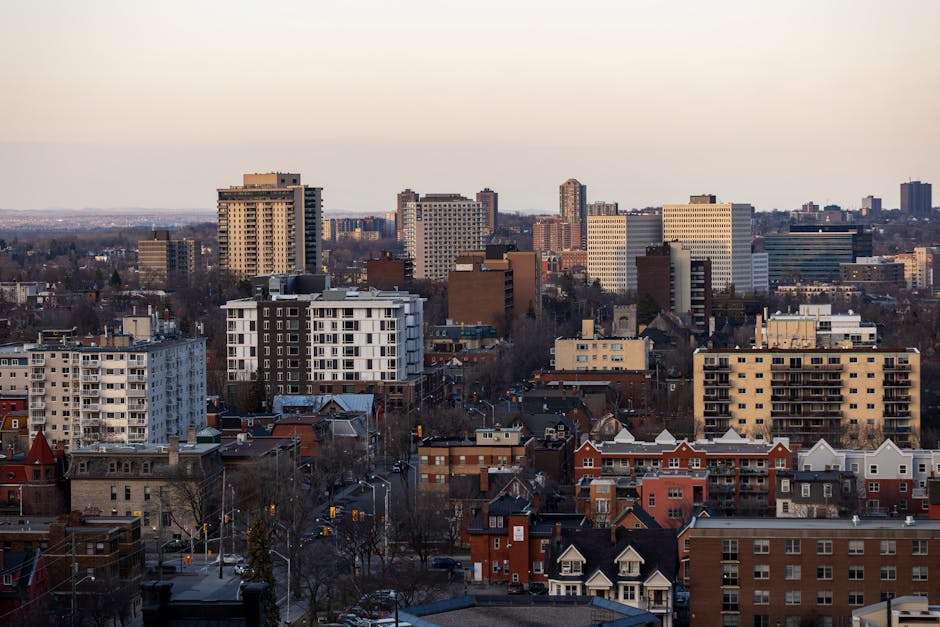
Ottawa is holding firm on its pledge to double the pace of residential construction, even as a perfect storm of economic pressures threatens to derail the capital's housing ambitions.
City officials and federal partners have repeatedly committed to accelerating homebuilding in Ottawa as part of Canada's broader effort to address a housing shortage that has pushed rents and prices to record highs. But industry analysts and construction insiders say the road ahead is far steeper than the rhetoric suggests.
What Ottawa Promised
The city's housing targets are tied to federal Housing Accelerator Fund commitments, which unlocked hundreds of millions in infrastructure dollars in exchange for streamlined zoning, faster approvals, and higher density near transit corridors. Ottawa promised to add tens of thousands of new units over the coming years, a pace roughly double what the city was delivering before the deal.
The goal was ambitious when it was announced. Today, it looks even harder to hit.
The Headwinds Piling Up
A confluence of factors is slowing homebuilding not just in Ottawa but across the country:
Higher borrowing costs have squeezed developer margins and dampened pre-sale demand. Many condo and rental projects that looked viable at 2021 interest rates no longer pencil out.
Soaring construction costs: materials, labour, and land, have added hundreds of thousands of dollars to the cost of a typical mid-rise unit. Even with recent softening in some commodity prices, the industry hasn't returned to pre-pandemic baselines.
Labour shortages remain acute. The construction trades are short tens of thousands of workers nationally, and Ottawa is no exception. Training pipelines are improving, but skilled labour takes years to develop.
Tariff uncertainty, particularly around U.S.-Canada trade tensions, has introduced new risk into material supply chains, making it harder for developers to lock in costs for multi-year projects.
The City's Position
Despite the challenges, Ottawa's planning department insists the commitment stands. City staff point to a pipeline of approved projects, ongoing work to reduce permit timelines, and zoning reforms that now allow more density as-of-right in established neighbourhoods near transit.
Proponents argue that the worst thing Ottawa could do is scale back targets now. Supply constraints built up over decades; unwinding them requires sustained political will even when conditions are tough.
What the Industry Says
Builders are more cautious. Several major developers have deferred project starts or scaled back tower heights on sites they already own, waiting for conditions to improve. Industry groups like the Greater Ottawa Home Builders' Association have called for additional cost-relief measures, development charge freezes, HST rebate expansions, and faster servicing of growth areas, to keep projects moving.
The concern isn't that Ottawa's housing shortage will reverse. Demand, particularly from immigration and interprovincial migration, remains strong. The worry is a multi-year lull in starts that makes the eventual supply crunch worse.
The Bottom Line
Ottawa's housing targets were always aggressive. Whether the city can thread the needle, maintaining political commitment while adapting to a tougher construction environment, will shape the rental and ownership market for years to come. For residents already squeezed by costs, the stakes couldn't be higher.