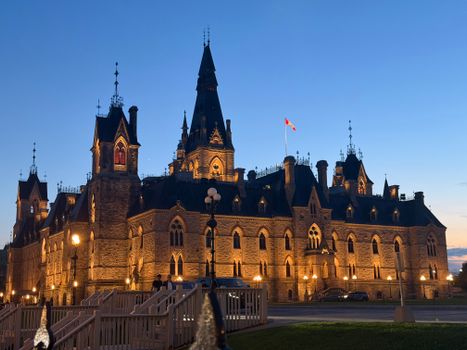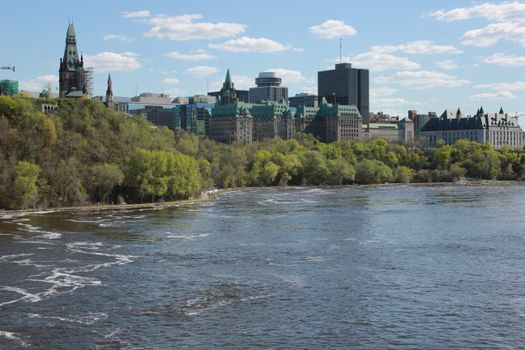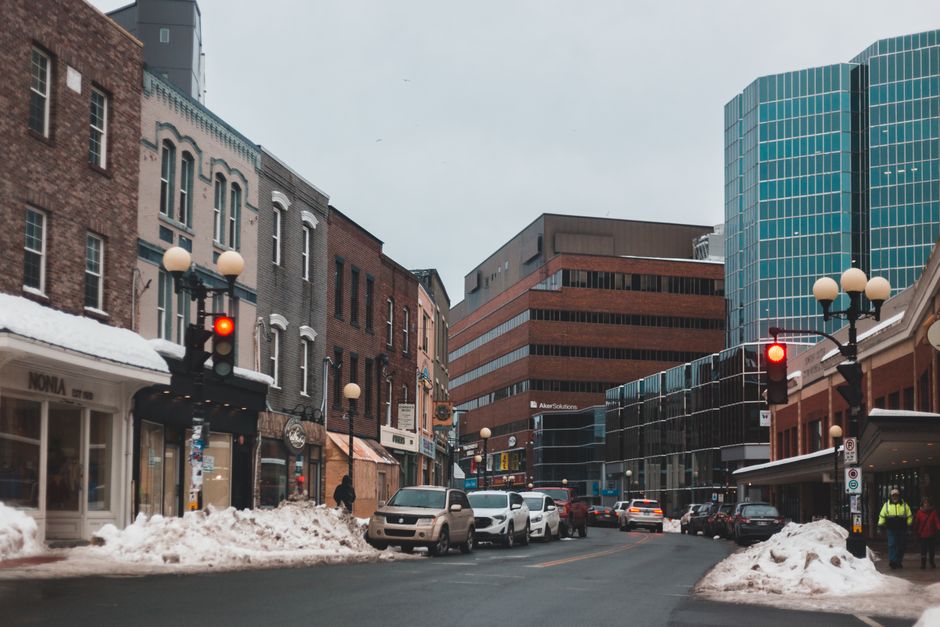
Ottawa's downtown core is finally showing signs of life again — but the businesses that stuck it out through years of quiet streets say the comeback is only half-finished.
According to a new report from the Ottawa Business Journal, foot traffic in the downtown core has been trending upward, a welcome sign for the retailers, restaurants, and service businesses that have spent years waiting for Ottawa's federal workforce and downtown residents to fill the sidewalks again. After years of hybrid-work schedules keeping office towers half-empty on Mondays and Fridays, even a modest uptick in pedestrian activity is being read as a positive signal for the neighbourhood's economic health.
Why It Matters for Ottawa
Downtown Ottawa's business community has been vocal for years about the compounding effects of reduced office attendance, closures along Sparks Street and Bank Street, and a slower-than-hoped return of tourism and event traffic. For a city whose downtown economy leans heavily on federal government employment, any shift in daily foot traffic ripples through everything from lunch-hour cafes to evening happy-hour spots.
The uptick suggests some of Ottawa's efforts — including downtown events programming, public realm improvements, and pushes to bring more residents into the core — may be gaining traction. But business owners quoted in the report were careful to temper the good news, noting that more foot traffic doesn't automatically translate into a fully revitalized downtown. Vacant storefronts, safety concerns, and inconsistent weekday attendance patterns remain sticking points for many operators trying to plan around an unpredictable customer base.
What Still Needs to Happen
Business leaders say the city and its downtown partners need to keep building on early momentum rather than treating rising foot traffic as a finish line. That means continued investment in cleanliness and safety, filling empty commercial spaces, and giving people more reasons to come downtown outside of the traditional 9-to-5 office schedule — think evening and weekend programming, festivals, and reasons to linger rather than just pass through.
For Ottawa residents, the report is a reminder that downtown's fortunes are tied closely to decisions made well beyond any single business's control — from federal return-to-office policies to broader development plans for the core. Still, an increase in people walking the streets is a tangible, measurable sign that the neighbourhood isn't stuck in the post-pandemic slump it saw just a few years ago.
Whether this becomes a sustained trend or a temporary blip will likely depend on how much follow-through comes from the city, landlords, and the Business Improvement Areas working to reshape downtown Ottawa's future.
Source: Ottawa Business Journal