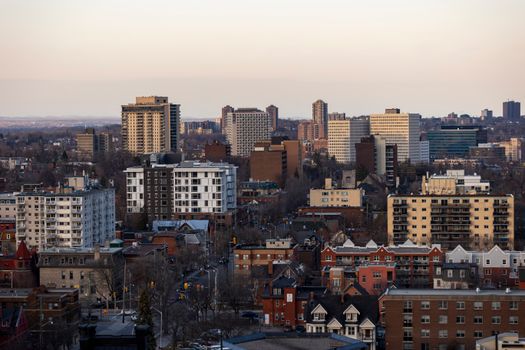
Ottawa is at the centre of a lobbying push by a major Dutch property giant seeking to soften Canada's tax rules on foreign real estate investors, rules that were introduced in part to cool runaway housing markets and prioritize homeownership for Canadians.
According to a report by iPolitics, the European property firm has engaged federal lobbying channels to advocate for changes to tax measures that currently make it more costly and complex for foreign investors to acquire Canadian real estate. The company has not yet received the regulatory relief it is seeking.
What Rules Are We Talking About?
In recent years, Ottawa has introduced a series of measures aimed at curbing speculation by non-resident investors, including the Underused Housing Tax (UHT) and the foreign buyer ban that took effect in 2023. These policies were a direct response to skyrocketing home prices in cities like Toronto, Vancouver, and yes, Ottawa itself, where average home prices surged well above half a million dollars during the pandemic era.
The foreign buyer ban prevents most non-Canadians from purchasing residential property, while the UHT levies an annual one percent tax on the value of underused or vacant homes owned by foreign nationals or corporations.
Why Ottawa Residents Should Care
For everyday Ottawans trying to buy into one of the country's most competitive mid-size housing markets, the optics of a foreign investment firm lobbying to loosen these protections is likely to raise eyebrows. Ottawa's real estate market has seen significant price corrections since the 2022 peak, but affordability remains a serious challenge, especially for first-time buyers and renters.
Housing advocates have long argued that foreign speculative capital contributed to inflating prices in cities across Canada. Federal efforts to put guardrails around that kind of investment were broadly popular with the public, even if controversial in some business circles.
The Tension Between Investment and Affordability
To be fair, the picture isn't entirely black and white. Some housing economists argue that institutional and foreign investment in rental housing, particularly purpose-built apartment construction, can actually increase supply and ease rental shortages over the long term. The Dutch firm in question may be positioning its lobbying as pro-development rather than pro-speculation.
Still, critics are likely to push back hard on any move by Ottawa to roll back protections that were put in place specifically to shield Canadian homebuyers from being priced out of their own communities.
The federal government has not indicated it intends to make any immediate changes to the foreign buyer framework. With housing remaining one of the hottest political issues heading into the next policy cycle, any softening of those rules would face serious public scrutiny.
What Happens Next
The lobbying effort is early-stage and may not go anywhere. But it signals a broader tension in Canadian housing policy: how to attract productive real estate investment without reopening the door to the kind of speculative activity that helped drive prices out of reach for so many Canadians in the first place.
Ottawa residents and housing watchers will want to keep an eye on how the federal government responds, particularly as the city continues its own struggle to build enough homes for its growing population.
Source: iPolitics via Google News Ottawa Real Estate feed.