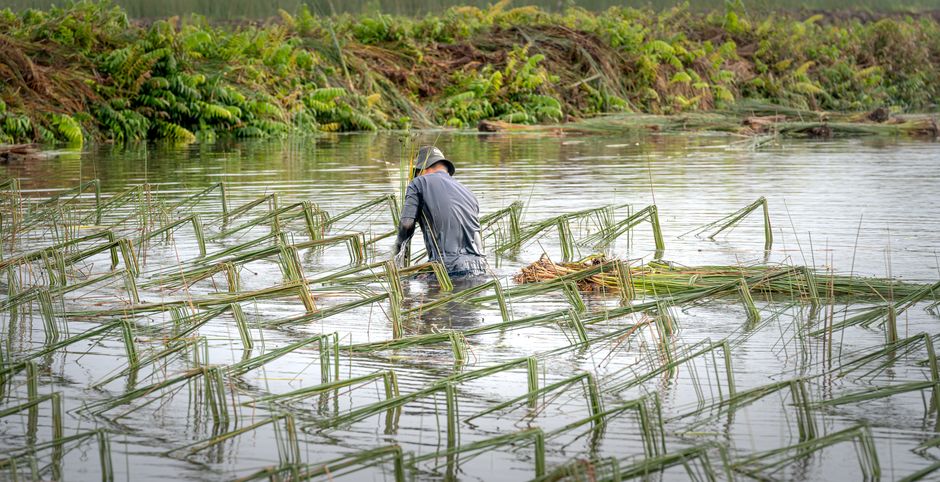
Ottawa and its surrounding Eastern Ontario countryside are home to some of the most ecologically rich farmland in Canada, and one local farmer is doing her part to keep it that way. A farmer from Eastern Ontario has helped construct a wetland on her property, and she's hoping the project becomes a blueprint for landowners across the region.
A Farmer-Led Conservation Project
Wetlands are among the most valuable ecosystems on the planet. They filter water, store carbon, reduce flooding, and provide critical habitat for birds, amphibians, and insects. Yet over the past century, a significant portion of Ontario's wetlands have been drained to make way for agriculture and development.
This Eastern Ontario farmer decided to reverse that trend on her own land. Working alongside conservation partners, she helped design and construct a wetland, essentially restoring what was once lost, and the results have already drawn attention from the broader agricultural and environmental communities.
Why It Matters for the Ottawa Region
Eastern Ontario's farming communities sit within watersheds that drain directly into the Ottawa River and its tributaries. Water quality in the region affects drinking water, recreation, and downstream ecosystems, meaning what happens on individual farms has real consequences for residents across the National Capital Region.
Wetlands act as natural sponges, absorbing runoff that would otherwise carry fertilizers and sediment into local waterways. For a city like Ottawa that relies on the Ottawa River as a recreational and ecological cornerstone, projects like this one have outsized value.
Conservation organizations in the region, including local land trusts and conservation authorities, have long encouraged farmers to voluntarily protect and restore natural features on their land. But this project stands out because of how hands-on the farmer's involvement has been. She didn't just agree to set land aside, she helped build it.
A Model Worth Replicating
What makes this project particularly exciting is its potential as a replicable model. Not every farm has the right topography or drainage to support a wetland, but for those that do, this farmer's experience offers a practical, community-driven template.
The project reportedly involved collaboration with local conservation authorities and may have accessed government programs that provide financial support for on-farm environmental work, something more Eastern Ontario farmers could tap into if awareness grows.
Her hope is straightforward: if neighbours see what's possible on a working farm, they might be inspired to pursue similar projects on their own land. That kind of peer-to-peer motivation often moves faster than any government program.
The Bigger Picture
Ontario has set ambitious targets for protecting 30 percent of land and water by 2030, a goal that won't be achievable without private landowner participation. Stories like this one, a single farmer rolling up her sleeves and doing the work, are exactly the kind of ground-level momentum that large-scale conservation goals depend on.
For Ottawa-area residents, it's a reminder that meaningful environmental action isn't confined to city parks or federal policy. It's happening right now, in the fields just east of the city.
Source: CBC News via Google News Ottawa

