Ottawa is a city defined by water. From the UNESCO-listed Rideau Canal that freezes into the world's largest skating rink each winter to the rivers that wrap around downtown, our waterways shape how residents move through and experience the capital. Now, a new exhibition at Âjagemô, the gallery space inside the Department of Canadian Heritage building, is asking Ottawans to reconsider those same waterways through an Algonquin lens.
A Different Way of Seeing the Rivers
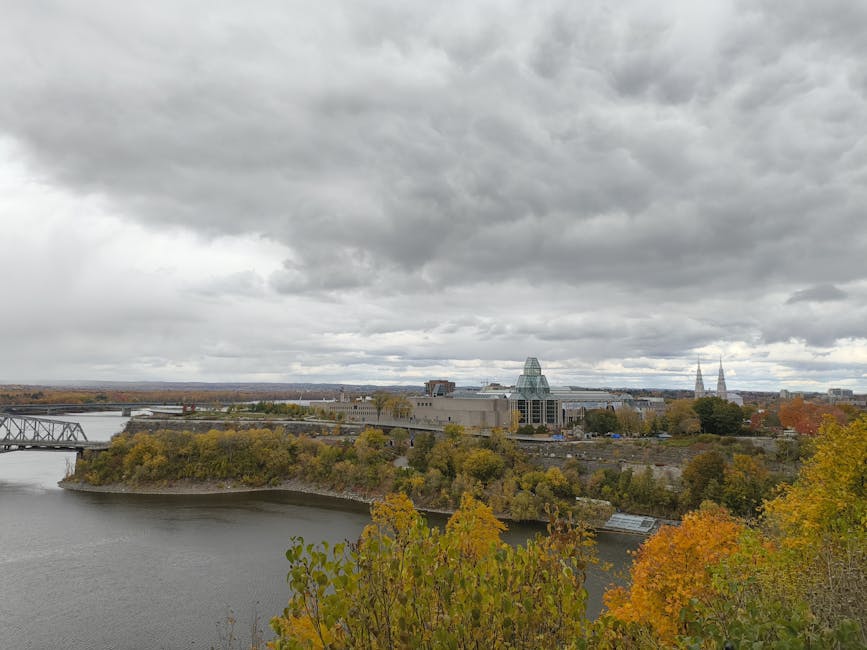
"Edge Conditions / Inawendiwin" centres on the three natural waterways that converge in and around Ottawa: the Kichi Sibi (the Ottawa River), the Rideau, and the Gatineau. Rather than treating these rivers as scenic features or engineering marvels, the exhibition draws on Algonquin names and knowledge systems that describe each river by its living characteristics. Its moods, its role in sustaining communities, and its place within a broader web of relationships between people and land.
As writer Leah Snyder notes in her coverage for Ottawa Life Magazine, most of us who live in the region think of these waterways as part of the gift the landscape provides, but rarely do we consider the deeper linguistic and cultural history embedded in how they've been named and understood for generations before European settlement.
Why This Matters for Ottawa Right Now
For a city whose identity is so tightly bound up with the Rideau Canal and its riverside pathways, this exhibition offers Ottawa residents a chance to see familiar geography with fresh eyes. It arrives at a moment when local cultural institutions, from the Canadian Museum of History across the river in Gatineau to smaller downtown galleries, have been increasingly foregrounding Indigenous perspectives in how the National Capital Region tells its own story.
"Inawendiwin," the Anishinaabemowin word paired with "Edge Conditions" in the exhibition's title, roughly translates to a sense of being interrelated or connected, a fitting frame for a show about rivers that have long connected communities along their banks, long before they became backdrops for canal-side condos and summer festivals.
What Visitors Can Expect
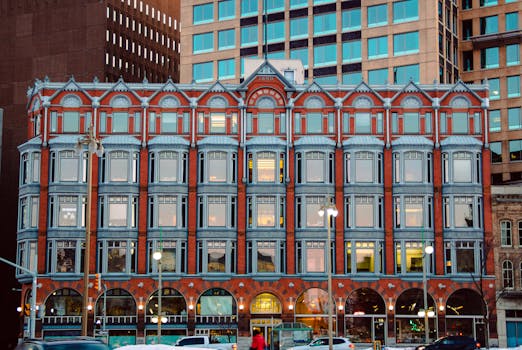
Housed at Âjagemô, a gallery space known for showcasing work that engages with Canadian identity and heritage, the exhibition is positioned as both an art show and a quiet civic lesson. Visitors walking the halls near Wellington Street, steps from Parliament Hill and the very rivers being discussed, can expect to encounter Algonquin place names and stories that reframe the geography many Ottawans take for granted on their daily commutes or canal-side runs.
For those who've spent summers paddling the Ottawa River or winters skating the Rideau Canal, the exhibition is a reminder that these waterways carry names, stories, and significance that predate the city itself. It's a worthwhile stop for anyone looking to deepen their understanding of the land beneath Ottawa's most iconic public spaces.
Source: Ottawa Life Magazine