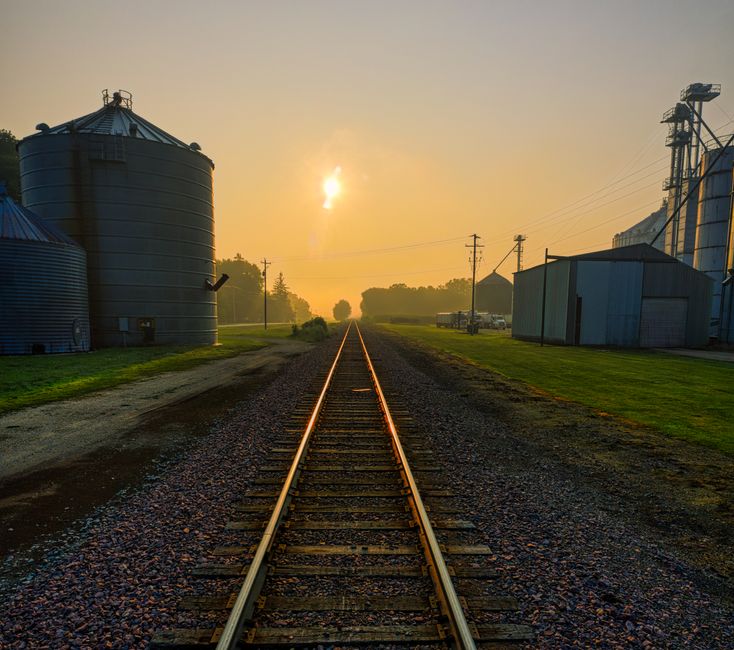
Ottawa Voices Rise Against Alto High-Speed Rail
Ottawa-area farmers and citizen advocacy groups are turning up the heat on the federal government, calling for the Alto high-speed rail project to be scrapped before it permanently reshapes communities and agricultural land across the region.
The Alto project, Ottawa's most ambitious transportation infrastructure proposal in decades, would connect major Canadian cities with high-speed rail lines. While proponents tout the environmental and economic benefits of getting cars off the highway, a growing coalition of opponents says the costs to local landowners and communities are simply too high.
What's at Stake for Farmers
For agricultural families whose land sits in the path of the proposed corridor, the stakes couldn't be more personal. Many farms in the Ottawa Valley and surrounding rural areas have been passed down through generations, and the prospect of expropriation, even with compensation, is deeply unsettling.
Farmers argue that the loss of productive agricultural land isn't just a financial blow; it's an irreversible change to the region's food security and rural identity. Once prime farmland is paved over for rail infrastructure, it doesn't come back.
Citizen groups have echoed these concerns, pointing to questions about transparency in the route selection process and whether affected communities were genuinely consulted before plans advanced.
The Federal Government's Position
The federal government has framed Alto as a nation-building project, a once-in-a-generation investment in cleaner, faster transportation that would reduce emissions, ease highway congestion, and connect Canadians from Quebec City to Toronto. Ottawa sits at a critical point along that corridor.
Supporters argue that long-term infrastructure investments always come with short-term disruptions, and that high-speed rail is essential for Canada to meet its climate commitments.
But critics counter that the project's business case hasn't been fully aired publicly, and that the communities bearing the greatest costs, rural landowners, small-town residents, farmers, have had the least say in how the corridor is designed.
Growing Coalition
What began as scattered local opposition has been coalescing into a more organized movement. Farmers' associations, environmental groups skeptical of the project's actual emissions benefits, and neighbourhood organizations have been joining forces to demand a full reassessment.
Their ask is straightforward: pause the project, conduct a genuine public consultation, and explore alternative routes or transportation solutions that don't come at the expense of farmland and established communities.
What Comes Next
The federal government faces a delicate balancing act. High-speed rail enjoys broad public support in urban centres, where commuters are eager for greener, faster options between cities. But that enthusiasm can clash sharply with the reality on the ground for people whose properties and livelihoods are directly in the path of progress.
For Ottawa residents following the file, the coming months will be telling. Will the federal government press ahead with the current corridor plans, or will the growing chorus of opposition force a rethink?
Either way, the debate is a reminder that big infrastructure projects are never just about trains and tracks. They're about whose land, whose community, and whose future gets reshaped in the process.
Source: CTV News Ottawa via Google News RSS

