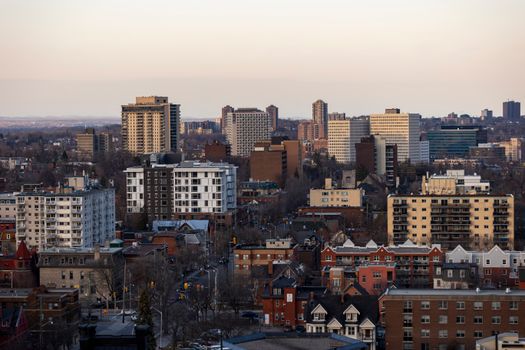
Ottawa is booming. The nation's capital now ranks among Ontario's fastest growing cities, with tens of thousands of new residents arriving each year drawn by government jobs, a thriving tech sector, and a comparatively lower cost of living than Toronto or Vancouver. But that growth is putting enormous pressure on one fundamental question: where do all those new homes actually get built?
The Scale of the Challenge
Ottawa's population is projected to grow by hundreds of thousands of residents over the next two decades. The City of Ottawa estimates it needs to add roughly 150,000 new homes by 2046 to keep pace with demand. That's a staggering number: and planners, developers, and community advocates are wrestling with the competing visions for how to achieve it.
The core tension comes down to two broad strategies: build up, or build out.
Intensification vs. Greenfield Development
Intensification, adding density within the existing urban boundary through mid-rise and high-rise development, infill housing, and mixed-use corridors, is the approach favoured by environmental advocates and urban planners. It reduces infrastructure costs, supports transit investment, and preserves farmland and greenspace on Ottawa's edges.
Ottawa has already seen significant intensification along the Confederation Line LRT corridor, with clusters of condo towers rising near stations in Centretown, Little Italy, and the east end. The city's new Official Plan leans heavily into this model, designating corridors like Bank Street, Merivale Road, and Carling Avenue as priority zones for higher-density growth.
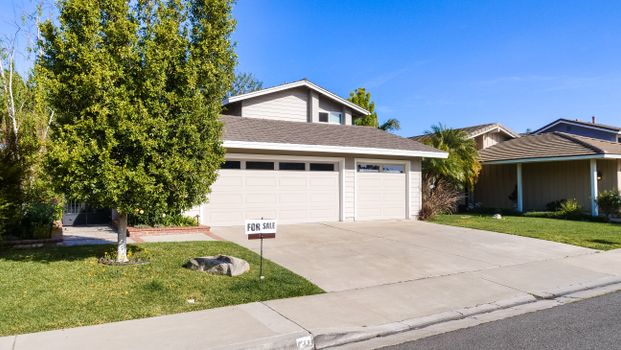
But intensification alone may not be enough, or fast enough. Developers argue that greenfield development in suburban communities like Barrhaven South, Riverside South, and the expanding villages of Stittsville and Kanata remains essential to meeting demand in the near term. These communities offer larger lots, lower land costs, and faster approvals in many cases.
The Infrastructure Question
One of the biggest obstacles to any growth strategy is infrastructure. New communities need roads, sewers, schools, transit links, and community centres. The city has long debated how to fund this expansion, whether through development charges, provincial transfers, or federal housing funding programs.
Recent federal and provincial housing agreements have injected new urgency and new dollars into the conversation. Ottawa has signed onto the federal Housing Accelerator Fund and received provincial pressure to hit ambitious housing targets, with the threat of ministerial zoning overrides looming if municipalities fall short.
What Residents Think
For many Ottawans, the housing debate hits close to home. Young families priced out of established neighbourhoods like the Glebe, Westboro, or Old Ottawa South are watching new suburban communities grow on the city's edges, but worrying about long commutes and limited transit. Meanwhile, established residents in mature neighbourhoods sometimes push back against nearby intensification, citing concerns about neighbourhood character, parking, and shadow impact.
The reality is that Ottawa will almost certainly need both strategies, more density in urban corridors and carefully planned greenfield growth, to house a city that is only going to keep getting bigger.
Looking Ahead
City planners are currently refining secondary plans for several growth areas, and the coming years will see major decisions about where Ottawa draws its next urban boundary expansion. The choices made now will shape the city's neighbourhoods, commuting patterns, and environmental footprint for decades to come.
For residents, developers, and policymakers alike, the stakes couldn't be higher.
Source: Ottawa Citizen