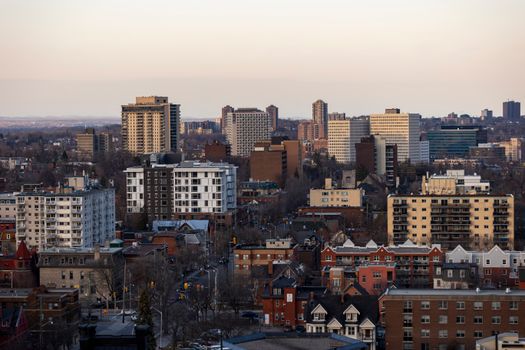
Ottawa Real Estate Faces a New Variable: Federal Downsizing
Ottawa's housing market has always been a different animal from Toronto or Vancouver. The city's economy is anchored by the federal government, a massive, relatively stable employer that has historically kept property values and rental demand steady even when other Canadian markets were in turmoil. But with federal workforce reductions now underway, Ottawa's real estate community is asking a pointed question: how much does downsizing actually matter?
The Ottawa Business Journal took a close look at this question, and the answer, perhaps surprisingly, is nuanced.
The Case for Resilience
Experts point out that even during periods of fiscal restraint, Ottawa-Gatineau remains the administrative centre of Canada. While staffing levels may contract, the federal presence is structural and enduring, the government isn't leaving Ottawa, it's just hiring less.
Data from the Ottawa Real Estate Board (OREB) shows average sale prices remaining modestly higher year-over-year, with ground-oriented homes continuing to outperform condos and apartments. The Canada Mortgage and Housing Corporation (CMHC) projects more moderate price growth heading into 2026, but not a dramatic decline.
Where the Impact Will Be Felt
The analysis suggests downsizing will most impact the entry-level condo and apartment segment. New federal hires and contract workers, the employees most likely to lose positions in a downsizing, typically start in smaller, more affordable units before moving up the property ladder. If that pipeline shrinks, so does demand for starter condos.
Neighbourhoods with more diversified employment, tech clusters, healthcare institutions, universities, are expected to show greater price stability. The Kanata tech corridor, the hospitals along the Civic campus, and Carleton and Ottawa U are increasingly important counterweights to the federal government's influence on Ottawa's economy.
A More Localized Market
One of the more interesting insights from the Ottawa Business Journal analysis is that Ottawa's housing market is becoming increasingly localized. The days of uniform price movements across the whole city are fading. Instead, 2026 will likely see continued divergence between property types and neighbourhoods, with some areas holding firm while others soften.
For buyers and sellers navigating this environment, neighbourhood-level research matters more than ever. What's happening on Elgin Street is different from what's happening in Barrhaven or Rockcliffe Park.
Bottom Line
Federal downsizing is a real factor in Ottawa's 2026 real estate story: but it's not the whole story. The city's economic base has diversified meaningfully, and the fundamentals of Ottawa real estate remain solid for patient, informed buyers.
Source: Ottawa Business Journal