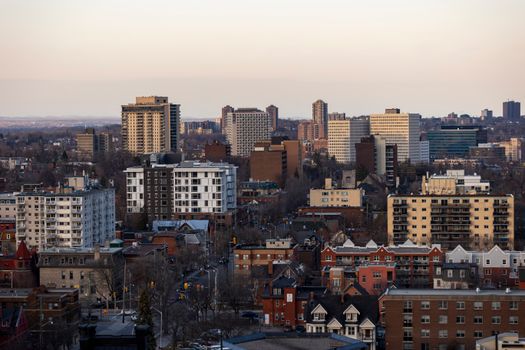
Ottawa's real estate market has always been cushioned by the federal government, stable employment, generous pensions, and predictable salaries have made civil servants reliable mortgage payers for generations. Now, with the federal workforce facing its most significant restructuring in decades, that cushion is thinning.
The Scale of the Shift
The federal government is pursuing workforce reductions across multiple departments, with tens of thousands of positions affected through voluntary departures, buyouts, and in some cases, involuntary layoffs. For a city where roughly one in four employed residents works directly or indirectly for the federal government, this is not a minor economic event.
What It Means for Housing Demand
Real estate demand correlates directly with employment confidence. Employees who are uncertain about their jobs, or who are weighing whether to take a buyout, delay major financial commitments. That means fewer home purchases, more rentals extended, and sellers who encounter fewer qualified buyers.
Neighbourhoods with high concentrations of federal employees, Nepean, Alta Vista, South Keys, Manor Park, and parts of Gloucester, are seeing this dynamic most clearly. Days on market are longer, price reductions more common.
The Tech Counterweight
Kanata North continues to provide a meaningful offset. Ottawa's technology sector employs tens of thousands of workers who are largely insulated from federal employment trends. The ongoing expansion of tech employers in the northwest end of the city keeps that submarket relatively healthy.
Downtown condos, which attract a mix of federal employees and private sector workers, are in a more ambiguous position. They benefit from Kanata tech spillover but are exposed to civil service uncertainty.
Long-Term Resilience
Ottawa has navigated federal workforce contractions before, most notably in the 1990s during the Chrétien government's Program Review. The city's real estate market absorbed those cuts and recovered. The question is the timeline.
Most observers expect the current disruption to weigh on Ottawa real estate through 2026, with a gradual normalization as the workforce situation clarifies and interest rates decline.
Source: Ottawa Business Journal